

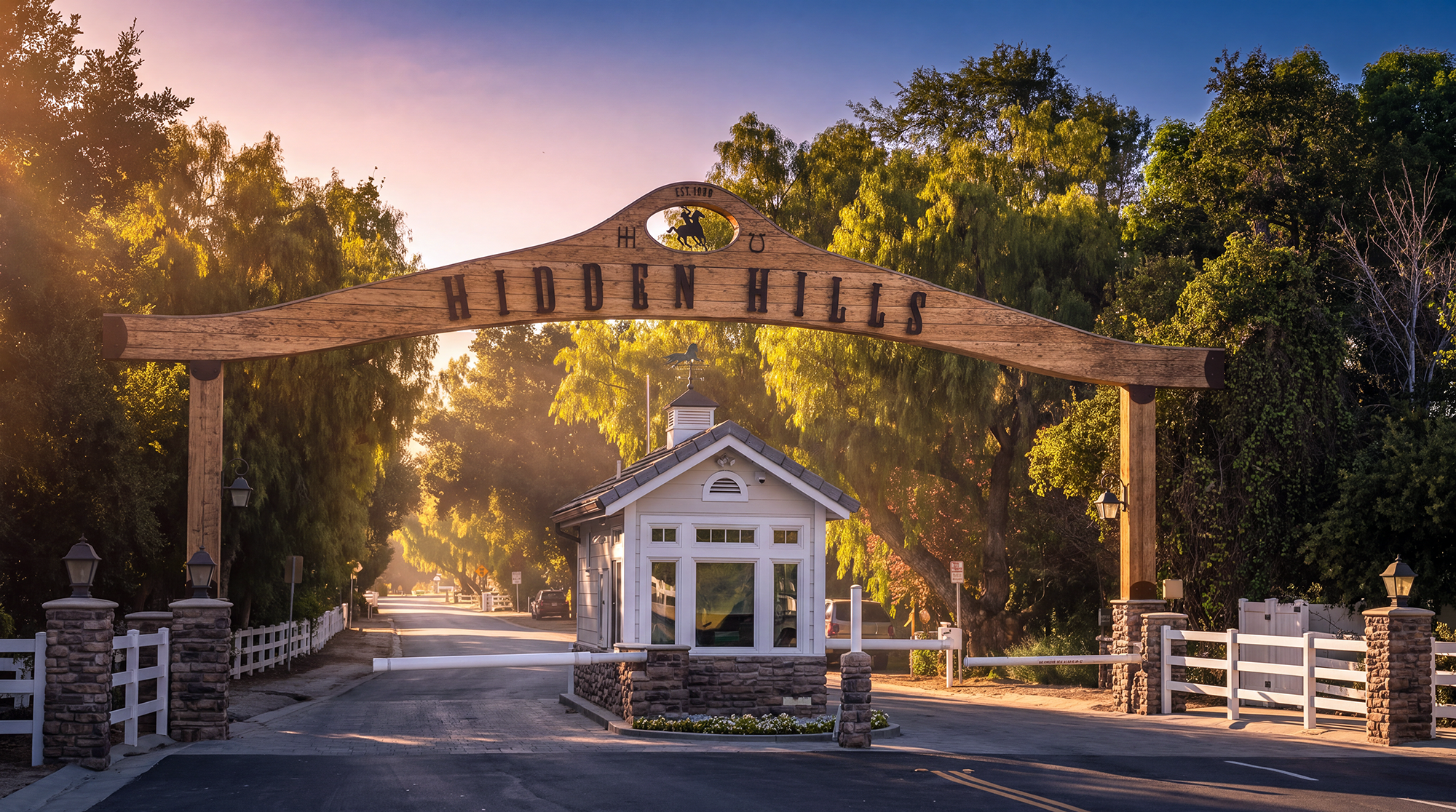

What Should You Know Before Buying in Hidden Hills?
The most expensive mistake a buyer can make in Hidden Hills isn’t overpaying for a home. It’s buying the wrong property.
After decades of helping families buy and sell here, we’ve watched buyers fall in love with spectacular houses that never quite fit their lives — and we’ve watched others purchase modest homes on exceptional land and build something extraordinary over the following twenty years. The difference between those two outcomes almost never comes down to the countertops. It comes down to understanding what Hidden Hills actually is, how this market really works, and what you’re truly buying when you buy here.
This guide is our attempt to put that understanding in one place. It isn’t a sales piece, and it isn’t a listing brochure. It’s the conversation we have with our own clients before they ever write an offer — the questions we ask, the mistakes we help them avoid, and the way experienced Hidden Hills buyers learn to evaluate a property.
Whether you’re six months from buying or simply curious about life behind the gates, our goal is simple: by the end of this guide, you should be able to think about Hidden Hills the way a longtime local does.
What Makes Hidden Hills Different From Other Gated Communities?
Most people describe Hidden Hills as a guard-gated celebrity enclave. That description isn’t wrong — it’s just incomplete.
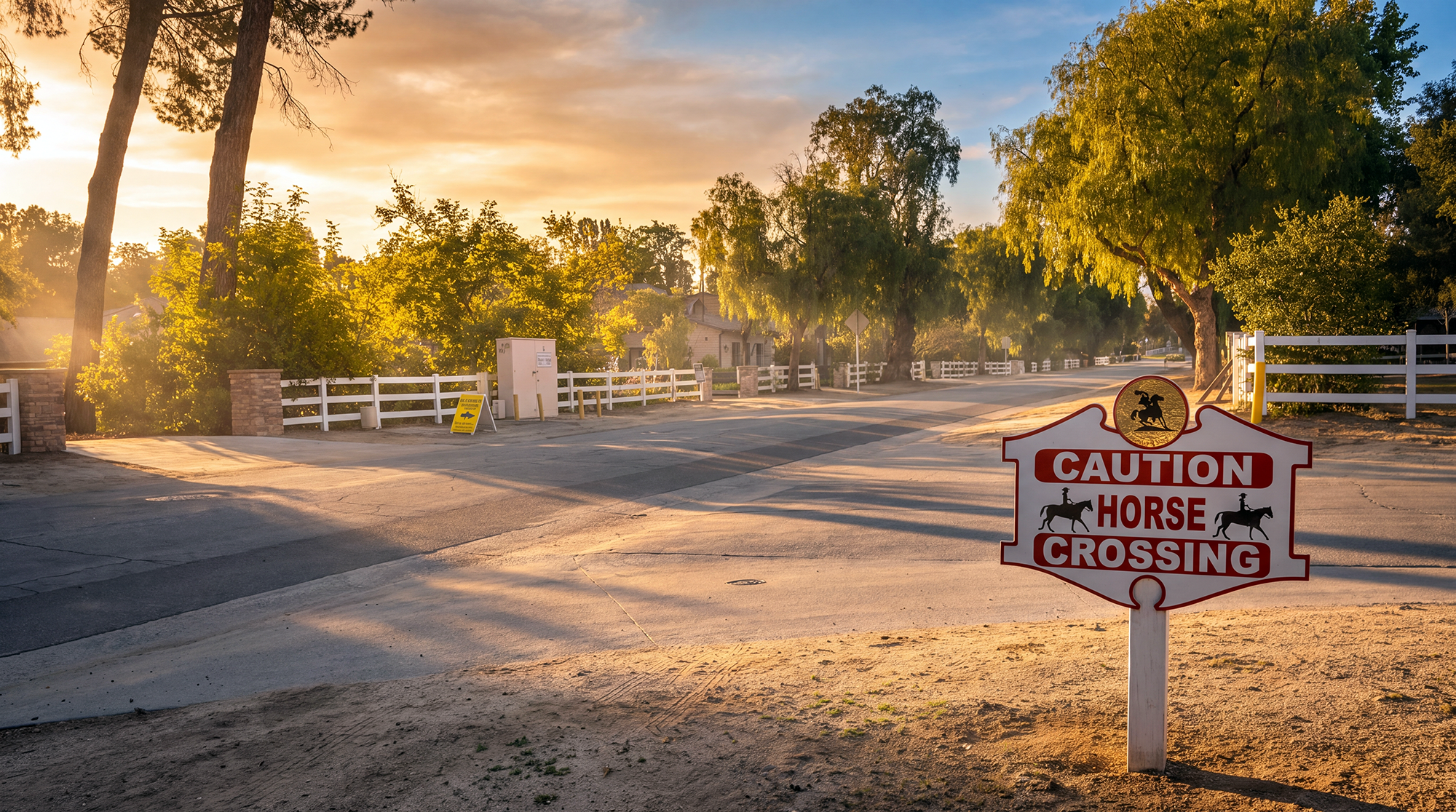
Hidden Hills was designed in the 1950s as an equestrian community, a place where white three-rail fences, bridle trails, and open space mattered more than grand entrances. In 1961, residents took the unusual step of incorporating as an independent city. That single decision still shapes everything about life here today.
It means Hidden Hills is one of the only communities in Southern California that is both a private gated community and its own municipality. Residents live behind gates on private streets, yet they also have their own city government, their own ordinances, and a homeowners association that works alongside the city. There are no commercial businesses inside the gates — no restaurants, no retail, no offices. Just homes, horses, trails, and a community center that functions as the social heart of the city.
The equestrian heritage isn’t decoration, either. The trail system winds through the community and across private properties by way of easements, horses remain part of daily life, and the community’s events calendar still revolves around traditions that started generations ago.
That word — generations — is important. Many Hidden Hills homes have been owned by the same families for decades. Children who grew up riding bikes to the community center now raise their own kids on the same streets. In recent years, a new generation of buyers has arrived, drawn by privacy, space, and remarkable new construction. The result is a community in a fascinating moment of transition: original ranch homes and brand-new estates, longtime residents and newcomers, all inside the same gates.
Understanding that dual identity — rural small town and world-class luxury market — is the first step to buying here well.
Is Hidden Hills the Right Fit for You?
One of the biggest mistakes buyers make is falling in love with a house before asking whether they’ll love the lifestyle. That happens more often in Hidden Hills than almost anywhere else.
With the rise of spectacular new construction, it’s easy to be captivated by soaring ceilings, resort-style backyards, wellness centers, and home theaters. But after the excitement wears off, you’re still living in Hidden Hills — and that’s exactly why understanding the lifestyle matters so much.
Hidden Hills is ideal for people who value privacy without isolation. Children still ride bikes through the neighborhood. Horses are part of everyday life. Neighbors actually know one another. Throughout the year, residents gather for traditions like the Hidden Hills Fiesta, holiday celebrations, community theater, and local events that reinforce the small-town feel.
If you’re looking for a place where your family can slow down while staying close to everything Los Angeles offers, Hidden Hills is difficult to beat.
That said, it isn’t for everyone. If your ideal weekend includes walking to coffee, browsing boutiques, or meeting friends for dinner without getting in a car, Hidden Hills may feel too quiet. Every errand means leaving the gates — although Calabasas, and everything you need, is only minutes away.
This is the biggest misconception buyers bring with them. People assume they’re moving into a luxury gated community. In reality, they’re choosing a rural lifestyle that happens to sit remarkably close to the city. Those are two very different things, and the buyers who understand the distinction before they purchase are usually the ones who end up loving Hidden Hills the most.
“In Los Angeles, space and a slower lifestyle are actually two of the rarest luxuries.”
IMPROTA INSIGHT
“People don’t leave Hidden Hills because they found a better house. They usually leave because life changes. Once people settle into the rhythm of this community, they rarely want to give it up.”
— Jason Improta
Why Should Hidden Hills Buyers Focus on the Land, Not Just the House?
If there’s one piece of advice we give almost every Hidden Hills buyer, it’s this: buy the land, not just the house.
That may sound surprising when you’re standing in a spectacular estate with designer finishes and every amenity imaginable. But houses change. The land doesn’t.
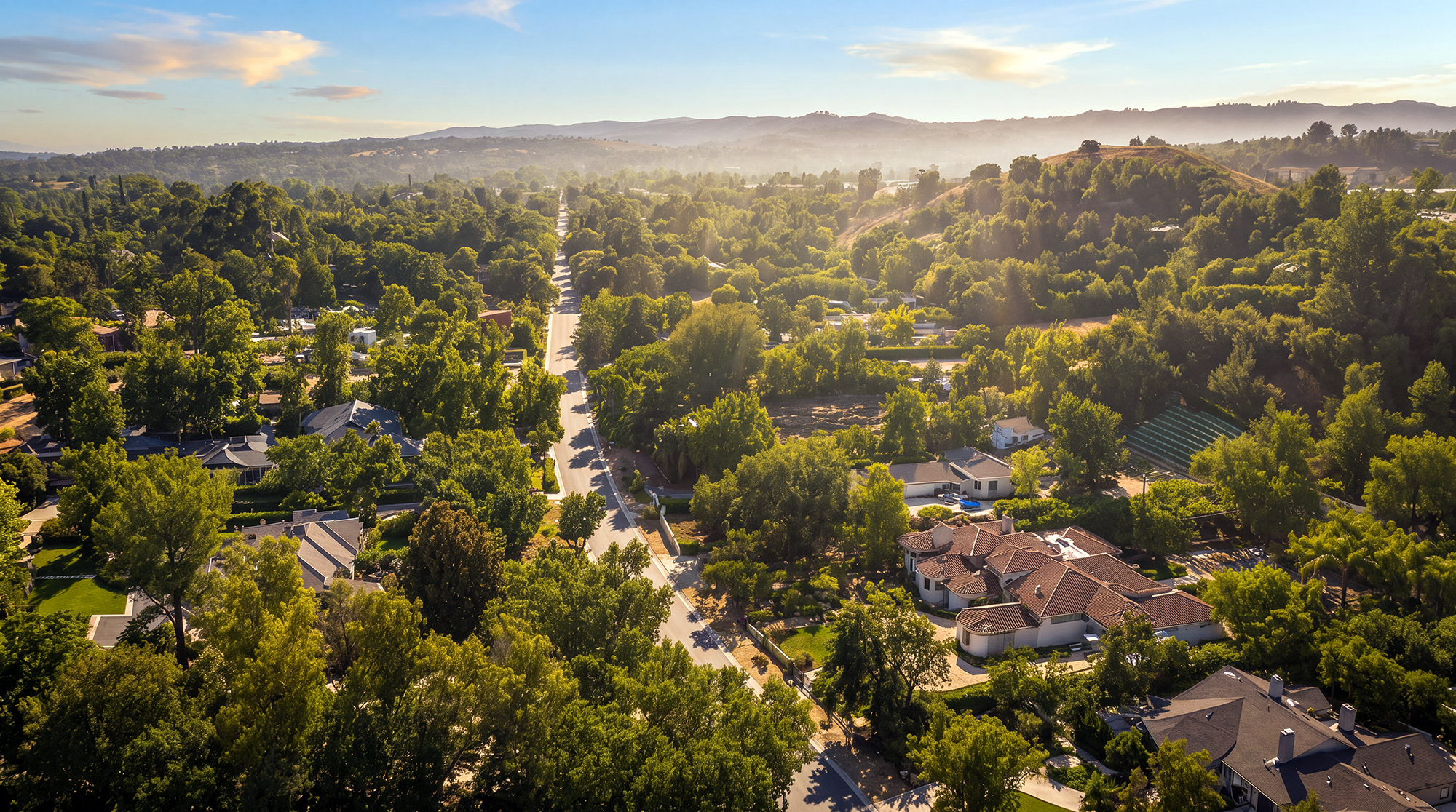
Hidden Hills is essentially a community of roughly 650 home sites, and no one is building another Hidden Hills. That makes the land itself the community’s scarcest and most valuable asset. We’ve watched buyers walk away from incredible properties because a kitchen felt dated — then pay a significant premium for a newly built home on a less desirable lot. Five years later, the first property has often appreciated dramatically after a thoughtful renovation, while the second has grown more modestly because its limitations were built into the land itself.
That’s why we encourage buyers to spend as much time walking the property as they do touring the house. Ask yourself:
- Is the lot flat and usable?
- Is there room for a guest house or ADU if regulations allow?
- Could you add a sport court, pool house, garden, or equestrian facilities?
- How much privacy does the property really offer?
- What are the views today — and what might they be in ten years?
In Hidden Hills, two homes with the same square footage and the same price can offer completely different long-term value simply because the land is different.
Another factor buyers overlook is what’s beneath the surface. Not every building pad was created the same way. Some sites are natural; others have been engineered or extensively graded over the years. Drainage, soil conditions, easements, and the history of the property all influence what you’ll be able to build or renovate in the future. These aren’t questions most buyers think to ask. They’re questions we ask before our clients make an offer.
Because in Hidden Hills, you’re rarely buying a house for the next five years. You’re buying a property that may evolve with your family for the next twenty. The house is today’s version of the property. The land is what you’re investing in for the future.
IMPROTA INSIGHT
“One of the biggest mistakes we see is buyers falling in love with the house instead of the property. Kitchens get remodeled. Homes get expanded. Some are torn down and completely rebuilt. But the land — that’s the one thing you can never change.”
— Jason Improta
What Questions Should Every Hidden Hills Buyer Ask?
Luxury homes are easy to admire. Luxury properties are much harder to evaluate. Some of the most important questions in a Hidden Hills purchase have nothing to do with marble countertops or designer lighting.
What’s under the property?
Was the building pad engineered, or is it natural? Has the lot been significantly graded over the years? How does it drain during heavy rains? What’s the condition of the soil? Most buyers never think to ask — but these answers become critical if you ever expand, renovate, or rebuild.
Are there easements?
Many Hidden Hills properties include equestrian trail easements. They’re part of what makes the community special, but they can affect how you use your land. Portions of a property may be unavailable for fencing, landscaping, or construction because they’re dedicated to the trail system. Understanding easements before you buy prevents surprises later.
How do the city and HOA work together?
Hidden Hills isn’t governed by one set of rules. It’s both an incorporated city and a homeowners association, which means improvements may require approvals from multiple entities. Whether you’re planning a remodel, a guest house, new fencing, or equestrian facilities, understanding that approval process before you purchase saves considerable time and frustration.
Why is the home being sold?
Sometimes the most valuable information isn’t in the MLS — it’s the story behind the sale. Has the family outgrown the property? Is it part of an estate? Has it been owned by the same family for decades? The answers often reveal both the seller‘s motivation and the real opportunity. And remember: some of the best Hidden Hills opportunities never reach the public market at all, which is why relationships inside the community matter as much as search alerts.
The buyers who ask better questions almost always make better long-term decisions. That’s why our role isn’t simply to open doors and write offers — it’s to help clients see the things they’d never think to ask.
IMPROTA INSIGHT
“Some of the most valuable information about a Hidden Hills property isn’t visible during a showing. It’s the history of the land, the easements, the approval process, and understanding what’s possible five or ten years from now.”
— Jason Improta
For a full breakdown of association dues, taxes, and insurance, see our guide to what it really costs to own a home in Hidden Hills.
How Do Hidden Hills and Calabasas Compare to Other Luxury Communities?
Buyers considering Hidden Hills are almost always weighing it against a handful of nearby communities. Each attracts a slightly different buyer, and being honest about those differences is part of finding the right fit.
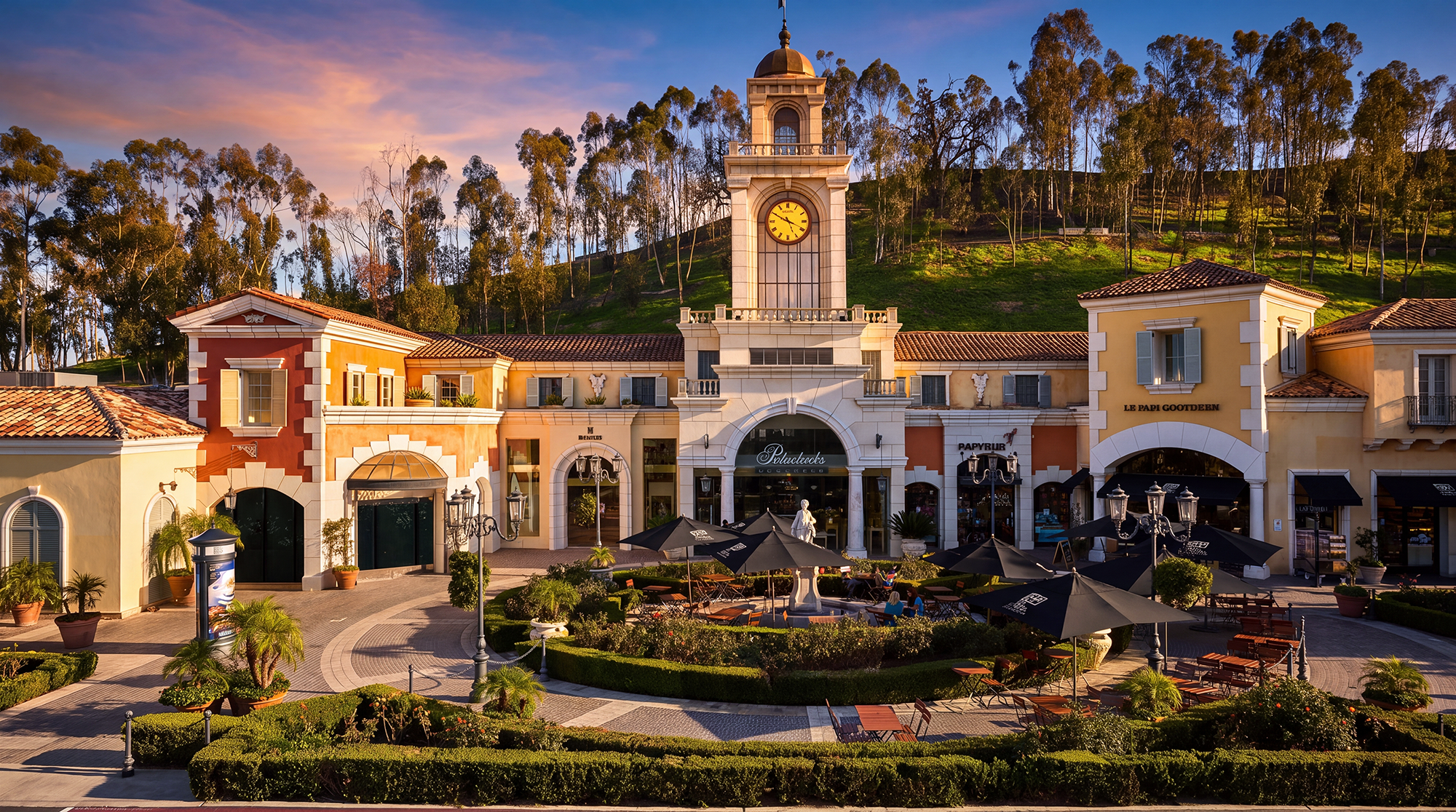
Calabasas offers the closest comparison — and the biggest contrast. Guard-gated communities like The Oaks deliver privacy and prestige with a more polished, amenity-rich feel, and you’re minutes from The Commons, restaurants, and shopping. Buyers who want luxury with convenience often land in Calabasas. Buyers who want land, horses, and quiet tend to keep driving.
Bell Canyon appeals to buyers who love the rural, equestrian character of Hidden Hills but want larger view lots and a different price point. It’s more remote, the terrain is more dramatic, and the lifestyle leans even further toward nature.
Westlake Village trades the ranch feel for a resort feel — the lake, golf, master-planned polish, and a strong community of its own. It’s often the choice for buyers prioritizing lifestyle amenities over acreage.
None of these is better or worse. They’re different answers to the same question: what do you want daily life to feel like? Hidden Hills’ answer — space, privacy, horses, and small-town rhythm inside the gates of an incorporated city — is unlike anything else in Los Angeles. That’s exactly why the buyers who choose it tend to stay.
What Is Life Really Like After You Move In?
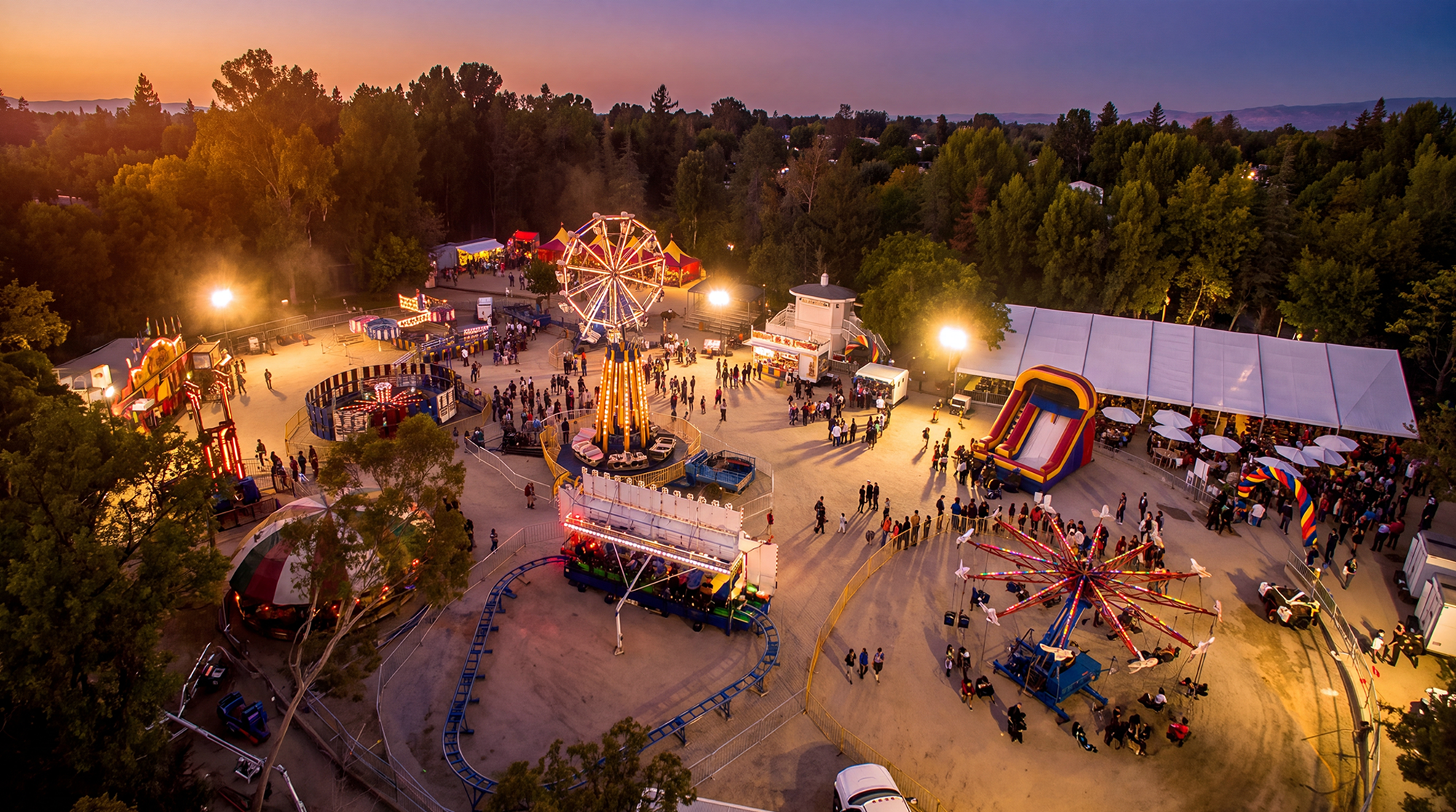
Most real estate articles end at the closing table. But the real story of Hidden Hills begins after you move in.
The first thing new residents notice is the quiet. No through-traffic, no commercial noise, no crowds — just the sounds of a community that still feels like the countryside. Mornings often start with riders on the trails and coyotes calling in the distance. Deer, hawks, and owls are part of the landscape here, a daily reminder that the community was built around open space rather than on top of it.
The second thing they notice is how connected the community is. For a place famous for privacy, Hidden Hills is remarkably social. The annual Fiesta brings the whole city together. Holiday celebrations, community theater, equestrian events, and gatherings at the community center create the kind of traditions most people assume disappeared decades ago. Kids grow up with real independence — riding bikes to friends’ houses, joining the swim team, showing horses — in a way that’s nearly impossible elsewhere in Los Angeles.
And yes, you may have famous neighbors. What surprises newcomers is how little that matters day to day. Inside the gates, there are no paparazzi and no spectacle. Everyone is simply a resident, and the community’s culture of discretion is a large part of why high-profile families choose to live here in the first place.
Life here does require adjustments. You’ll drive for every errand. You’ll learn the rhythm of gate access for guests and deliveries. You’ll discover that living alongside nature occasionally means living with nature. But ask longtime residents and you’ll hear the same thing again and again: the adjustments are small, and what you get in return is a way of life that’s nearly impossible to find anywhere else in this city.
That’s the real luxury of Hidden Hills. Not the square footage — the life.
What Is Our Best Advice for Hidden Hills Buyers?
After all the years and all the transactions, our advice comes down to a few simple ideas.
Be patient. Hidden Hills doesn’t behave like a traditional market. Many owners don’t need to sell, inventory is limited, and the right property sometimes takes months to appear — often through a relationship rather than a listing. The buyers who do best are prepared, patient, and ready to move when the right opportunity quietly surfaces.
Buy the property, improve the house. Vision beats perfection here. Some of the best investments we’ve seen were properties that required imagination rather than move-in-ready polish.
And choose the lifestyle first. Every happy Hidden Hills homeowner we know chose the community before they chose the house.
Every Hidden Hills sale we’ve closed, from $3.3 million to $4.7 million, is listed on our sales record, taken directly from MLS data.
If you’re considering a move to Hidden Hills — this year or five years from now — we’d welcome the conversation. We’ll walk the land with you, tell you honestly whether a property fits your life, and help you see what’s possible. That’s what we’d want for our own family, and it’s what we do for every client.
Contact The Improta Team to start the conversation.
Hidden Hills Buyer FAQs
FAQ 1
Is Hidden Hills a city or a gated community?
Both. Hidden Hills incorporated as an independent city in 1961, and it’s also a private, guard-gated community governed by a homeowners association. Property improvements may require approvals from both the city and the HOA.
FAQ 2
Can you have horses in Hidden Hills?
Yes. Hidden Hills was designed as an equestrian community, and horses remain part of everyday life. Many properties include or can accommodate equestrian facilities, and a community trail system runs throughout the city — often across private properties through easements.
FAQ 3
Are there restaurants or stores inside Hidden Hills?
No. There are no commercial businesses inside the gates — no restaurants, retail, or offices. Residents drive to nearby Calabasas, which is only minutes away, for shopping, dining, and everyday errands.
FAQ 4
What should buyers evaluate besides the house?
The land. Lot usability, privacy, views, drainage, soil conditions, whether the building pad is natural or engineered, and any easements on the property all affect long-term value — often more than the house itself, which can be renovated or rebuilt.
FAQ 5
Are Hidden Hills homes sold off-market?
Some are. Private sales have long been part of the Hidden Hills market, especially at the upper end, because many sellers value discretion. Working with an agent who has deep relationships in the community is often the only way to see those opportunities.