

Hidden Hills is one of the last true equestrian communities in Southern California. The bridle trails run behind the homes the way sidewalks run in front of them everywhere else, and the white three-rail fences aren’t decoration. They’re the point. For the right buyer, horse property here is the whole reason to live here. For the wrong buyer, it’s an expensive barn they’ll tear down in two years.
We’ve sold homes in Hidden Hills, Calabasas, and Bell Canyon for a long time, and horse property is the category where we see the biggest gap between what looks good in photos and what actually works. This guide covers who buys it, how horse life really works inside the gates, where else you can keep horses nearby, what separates a working setup from a pretty one, what goes wrong in escrow, and how to price and sell an equestrian home without leaving money on the table.
Who Actually Buys Horse Property in Calabasas and Hidden Hills?
There are really three buyers, and they shop completely differently.
- The serious rider. They’re competing, training, or riding most days. They shop the barn first and the house second. They want to know about stall count, turnout, arena footing, drainage, and how many minutes it takes to get from their gate to the trail. A great kitchen won’t save a bad barn for this buyer.
- The family with a kid who rides. They want the setup, but they also want a great house, good schools, and room for everything else in their life. They’ll compromise on the barn if the rest of the property works, and they often start by boarding before they bring a horse home.
- The lifestyle buyer. They love the white fences, the trails, and the feeling of being out in the country while still being a reasonable drive from Los Angeles. Many of them will never own a horse. This group is bigger than most people think, and it matters, because they’re often the ones converting the barn into something else.
Knowing which buyer you are changes everything about the search. A serious rider who shops like a lifestyle buyer ends up with a house they love and a barn that doesn’t work. A lifestyle buyer who shops like a serious rider overpays for facilities they’ll never use.
| IMPROTA INSIGHT
The serious rider. They’re competing, training, or riding most days. The barn is most important to them, and the house comes second. |
What Is Day-to-Day Horse Life Like in Hidden Hills?
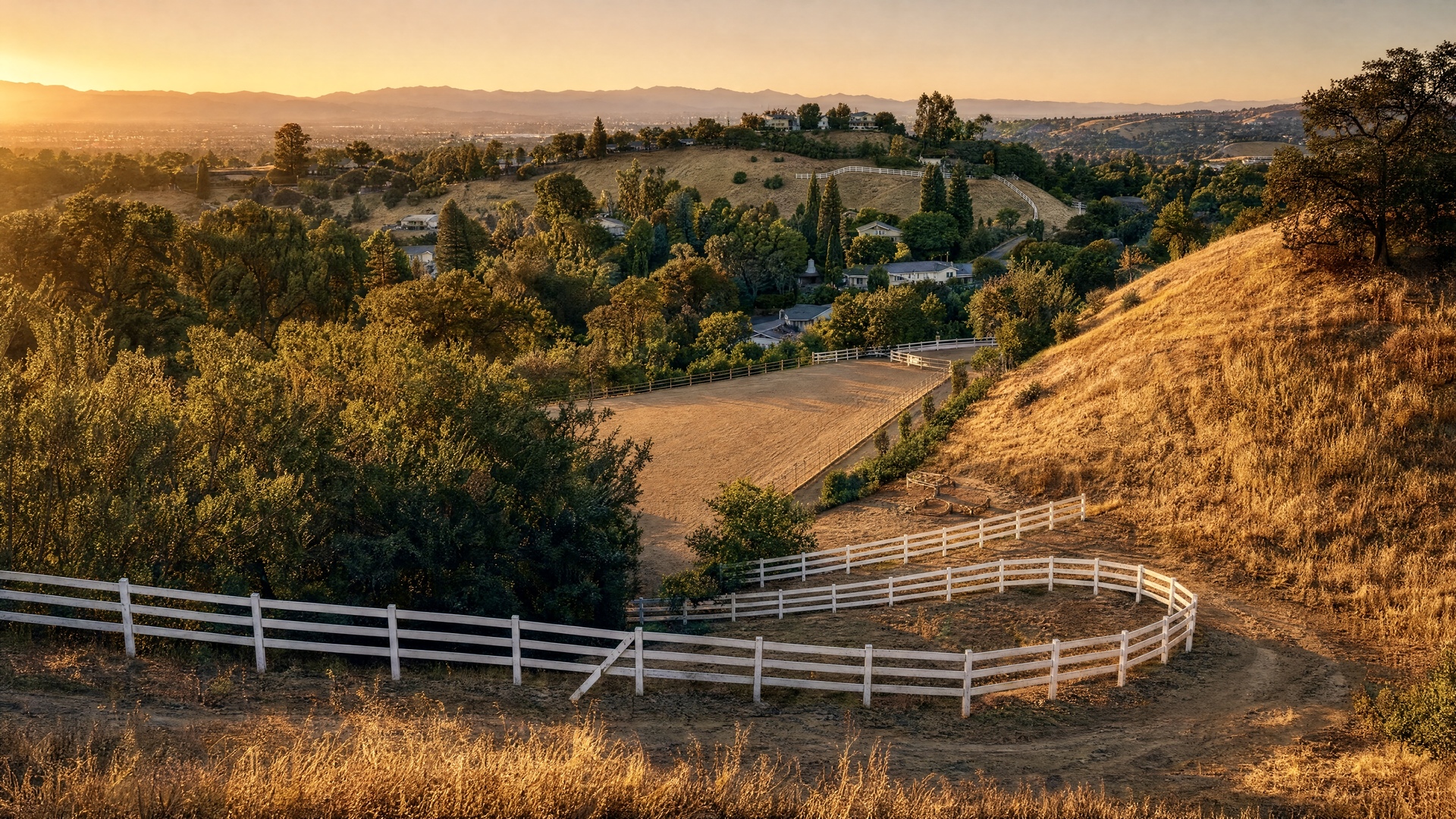
Inside the gates, the equestrian lifestyle is built into the community itself. The Hidden Hills Community Association maintains about 25 miles of bridle trails that connect the neighborhoods, along with three community riding arenas: Saddle Creek, Spring Valley, and Lewis & Clark. You don’t trailer to a trailhead here. You saddle up at home and ride out.
The arenas give riders a place to school, work a young horse, or practice without needing a full arena on their own lot. They also host community events, including the annual Fiesta, which has been part of Hidden Hills life since the community’s early years. There are no sidewalks and no streetlights inside the gates, and the rural feel is protected on purpose. That quiet is a big part of why the community draws buyers who care about privacy.
What newcomers don’t expect is how much the horses shape daily life. You’ll slow down for riders on the road and share the trails with neighbors walking dogs. Your neighbors will have horses, and possibly other animals too. Buyers coming from a typical luxury neighborhood sometimes need a minute to adjust. Most of them end up loving it, but it’s worth knowing before you buy.
It’s also worth understanding that Hidden Hills has two governing bodies: the City of Hidden Hills and the Hidden Hills Community Association. The Association reviews and approves construction and modifications on every home site, and that includes barns, corrals, and arenas. If you’re planning to add or change equestrian facilities, the Association’s approval process is part of the timeline. Our Hidden Hills buyer’s guide covers how that works in more detail.
Where Else Can You Keep Horses Near Calabasas?
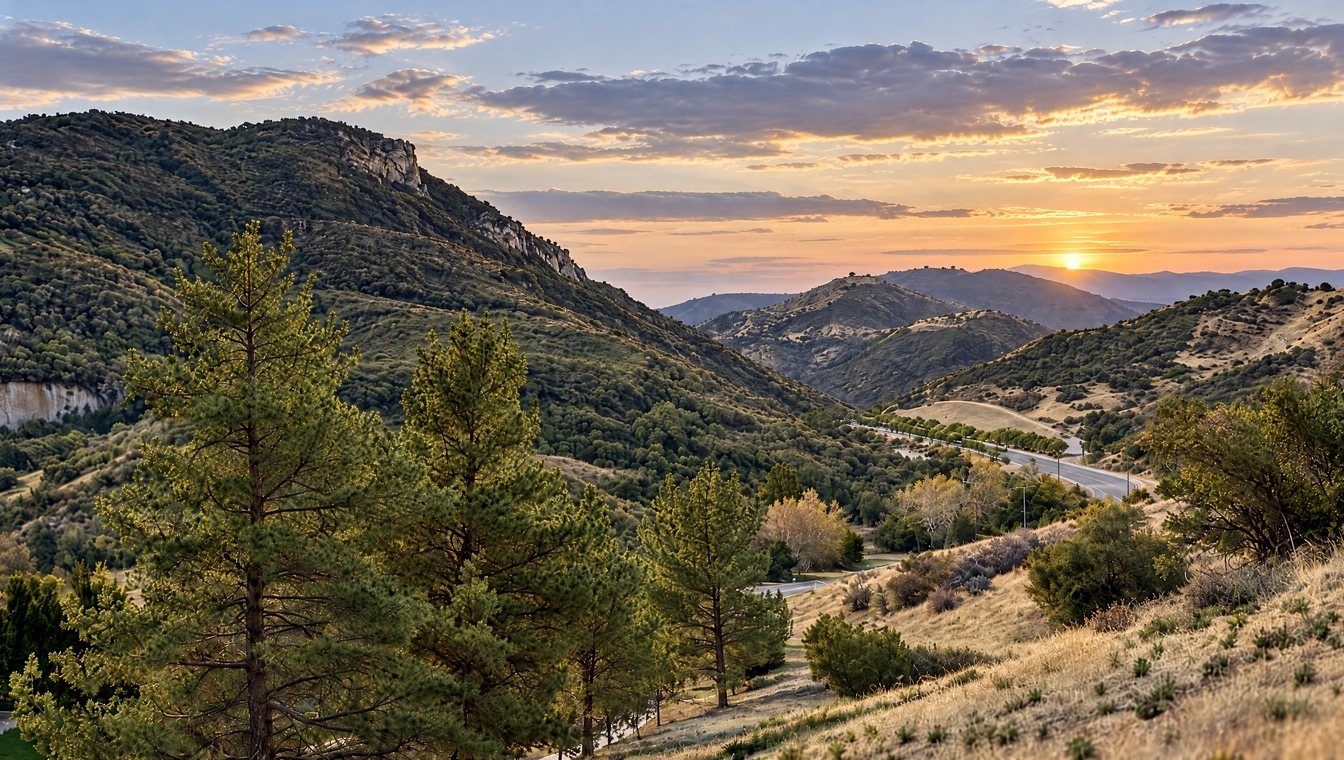
If Hidden Hills is out of reach or nothing is available, Bell Canyon is the next call. It’s a guard-gated community in unincorporated Ventura County, just over the line from Calabasas and Hidden Hills, and it has its own trail system and a community equestrian center that boards dozens of horses. Some Bell Canyon lots have room for private barns and turnout, and the equestrian center gives buyers a great option for boarding close to home.
The trade-off between the two communities is mostly about how the riding works. In Hidden Hills, the trail network runs throughout the community and most riders ride out from home. In Bell Canyon, more of the equestrian life centers on the equestrian center and the canyon trails, and the terrain is hillier, so usable flat land on a private lot is something to look at closely. Both are gated, both are in the Las Virgenes school district, and both appeal to buyers who want room and quiet. Which one fits depends on how you ride and how much land you need.
In Calabasas proper, it’s parcel by parcel. Some larger lots allow horses, and most don’t. You’ll find horse properties in the back areas off Mulholland, but the main gated communities and the neighborhoods around Calabasas Lake don’t allow them. Two homes on the same street can have different rules depending on zoning, lot size, slope, and any overlays or association restrictions that apply. That’s why we never tell a buyer a neighborhood is “horse-friendly” and leave it there. We check the zoning on the specific property, and we read the association’s rules if there is one.
Here’s the order we follow when a buyer wants horses outside Hidden Hills:
- Confirm the zoning on the exact parcel with the city or county planning department, not a listing description or a neighbor’s word.
- Read the association’s governing documents if the property is in an HOA. Some prohibit horses even when the zoning allows them.
- Check fire hazard maps and access for trailers, because evacuation is part of horse ownership in the hills.
- Look at trail connectivity. A horse-zoned lot with no nearby trail access means trailering every time you want to ride.
For a broader look at how each community lives, our guide to the neighborhoods of Calabasas and Hidden Hills walks through every gate and non-gated area.
What Makes a Property Real Horse Property?
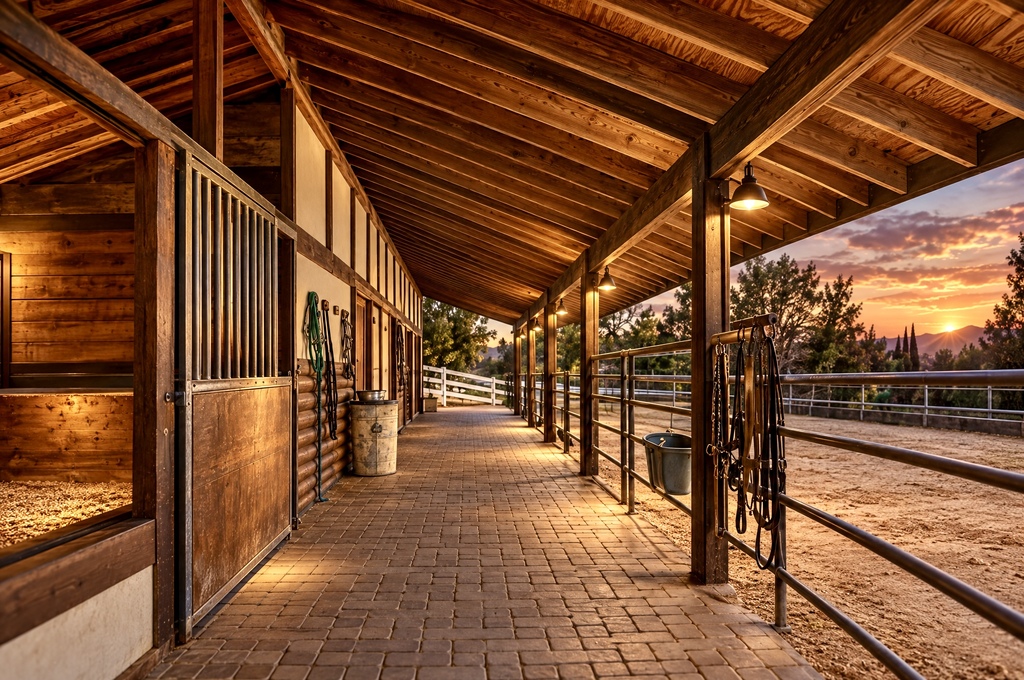
Flat, usable land is everything. A barn on a slope with no turnout is a storage shed. When we walk an equestrian property, we’re looking past the barn doors at what the land can actually support day to day.
Here’s what separates a working setup from one that only looks good in photos:
- Permitted stalls and structures. Every barn, shelter, and tack room should show up in the permit records. More on that below.
- Real turnout. Horses need space to move every day. Paddocks or corrals sized for the number of horses you’ll keep matter more than a fancy barn.
- A place to ride or lunge. A private arena or round pen is a big plus. In Hidden Hills, the community arenas take some of that pressure off.
- Good footing and drainage. Land that turns to mud every rainy season is a constant problem for horses and owners. Check where the water goes.
- Trailer access. You need room to pull a trailer in, turn it around, and load horses, both for shows and for emergencies.
- A direct trail connection. Being able to ride out from your own gate is the single biggest value driver in this market.
| IMPROTA INSIGHT
You don’t need an arena on your own lot if you live close to one of the community arenas. In Hidden Hills, a short ride to Saddle Creek, Spring Valley, or Lewis & Clark gives you a place to school and practice, and leaves your own land for turnout. |
What Questions Should You Ask When You Tour a Horse Property?
A showing on an equestrian property should take longer than a showing on a typical home, and most of that extra time should be spent outside. These are the questions we ask on every tour, and the ones we tell buyers to ask the listing agent directly:
- How many horses does the property support today? Not how many stalls there are. How many horses the turnout, the footing, and the rules on this parcel actually support.
- Which structures are permitted? Ask for the permit history on the barn, the tack room, any shelters, and anything that has been converted.
- Where does the water go? Walk the paddocks and the arena and look for low spots, erosion, and signs of standing water after rain.
- How do you get to the trail? Walk it. Know whether it’s a direct gate onto the trail, a short ride down the road, or a trailer trip.
- Where would a trailer park and turn around? If you can’t get a loaded trailer in and out easily, that’s a problem on a normal day and a serious one in an emergency.
- What has the current owner done to maintain the footing and fencing? Deferred maintenance on equestrian facilities adds up quickly.
If the answers are vague, that tells you something. Sellers who have kept horses on the property for years usually know exactly how it works, and good listing agents will have the records ready. When nobody can answer, plan on doing the homework yourself during the inspection period.
What Goes Wrong in Escrow on Horse Property?
Unpermitted structures, every time. Horse properties tend to collect improvements over decades, and not all of them went through the right approvals. Here’s where buyers get caught:
- Barns converted without permits. A barn that became a guest house, a gym, or an office without permits is one of the most common problems we see. It can affect financing, insurance, and what the buyer can legally use the space for.
- Corrals and structures in the wrong place. Fencing, shelters, or arenas that encroach on setbacks or trail easements can create problems with the city or the Association.
- Records that don’t match the ground. When the permit history, the Association’s records, and what’s actually built don’t line up, someone has to sort it out, and escrow is a bad time to start.
- Trail easements buyers didn’t know about. In an equestrian community, trails can run along or across lots. That’s part of the appeal, but buyers should understand exactly where the easements are before they plan a pool or a wall.
The fix is timing. We pull permit history and, in Hidden Hills, the Association’s records on the property early, before the buyer is emotionally committed. If something doesn’t match, we know what we’re negotiating around instead of discovering it in the last week of escrow.
| IMPROTA INSIGHT
We pull the permit and association records before the buyer falls in love, not after. A problem you find on day three is a negotiation. A problem you find on day twenty-eight is YOUR problem. |
Does an Equestrian Facility Add Value or Narrow the Buyer Pool?
It depends on who’s buying. For a serious rider, a real working setup is worth a premium because it’s so hard to find. Buying a property with permitted stalls, turnout, an arena, and trail access already in place saves them the time, cost, and approval process of building it from scratch.
For everyone else, the value is the flat land underneath the barn. Many buyers will walk a horse property and picture a sport court, a pool, a guest house, or a garden. To them, the barn is either a project or a bonus, not the reason they’re buying.
That’s why we price equestrian listings land first. We value the property on its land, its house, and its location, and we treat the equestrian facilities as a bonus for the right buyer rather than a line item every buyer will pay for. Pricing as if every buyer values the barn at full replacement cost is how equestrian listings end up sitting.
If you’re thinking about what your property could cost to carry once you add horses, our guide to what it really costs to own a home in Calabasas and Hidden Hills breaks down the ownership side.
How Should You Sell a Horse Property?
Market to both audiences. The equestrian story goes in front of rider networks, trainers, and the people who know what a good barn is worth. The land story goes in front of everyone else: the families, the lifestyle buyers, and the buyers who will never own a horse but want the space.
Which story leads depends on the property. If the house is the star, we lead with the house and let the barn be the surprise. If the barn is exceptional, with great footing, permitted stalls, and a direct trail connection, the barn leads, because that buyer is rare and will pay for it.
Preparation matters as much as marketing. Before listing, a seller should:
- Gather the permit history for every structure, including the barn, corrals, and any conversions.
- Clean up and repair the facilities so buyers see a working setup, not deferred maintenance.
- Photograph the land and trail access, not just the house. Show the turnout, the arena, and the path from the gate to the trail.
- Know your Association’s rules so you can answer equestrian buyers’ questions on the spot.
Our seller’s guides for selling in Hidden Hills and selling in Calabasas cover the full listing process.
What Does Living With Horses Here Really Take?
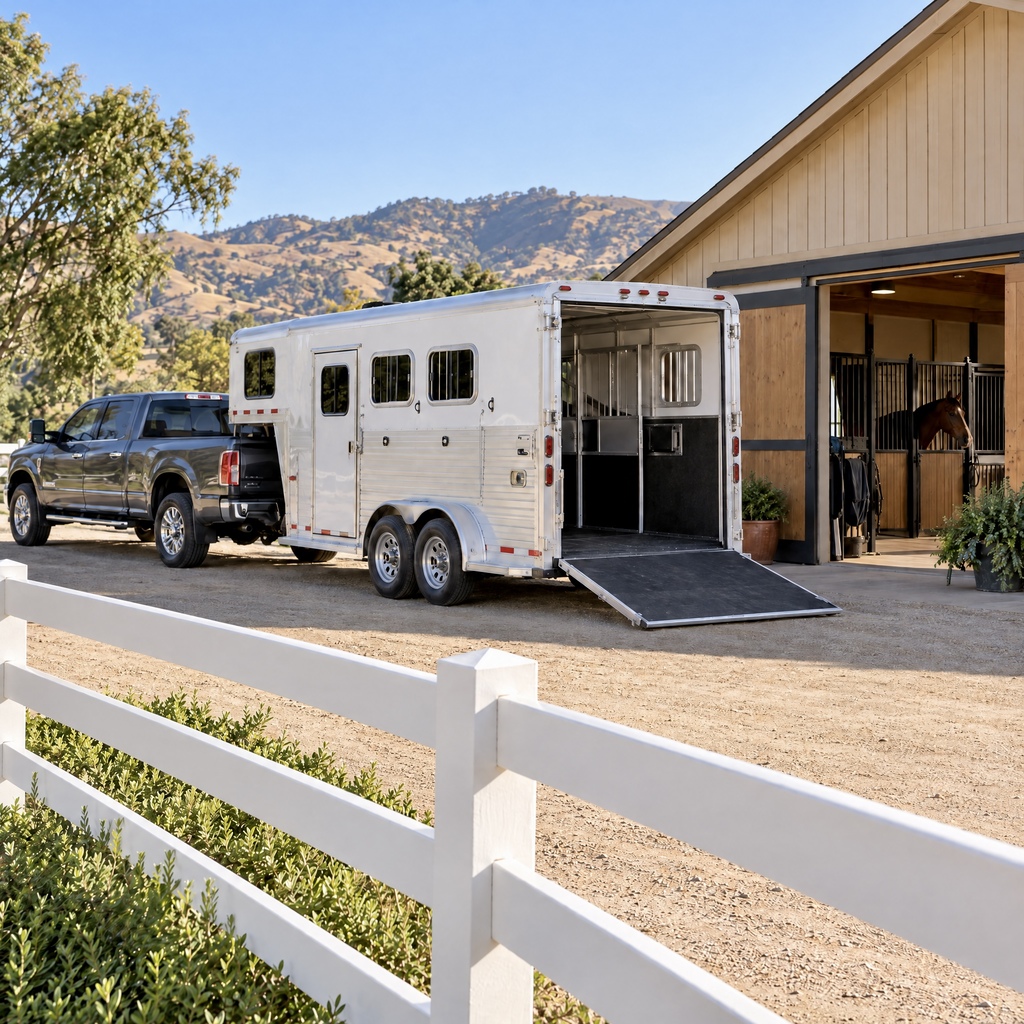
Buyers underestimate the daily work. Feeding, farrier visits, vet care, manure removal, fly control, fencing repairs, and footing upkeep all happen every week, whether you do them yourself or pay someone. It’s a lifestyle, not just a property feature.
For buyers who aren’t sure yet, boarding nearby is a smart first step. Boarding lets you live the lifestyle without taking on all of the daily care at home, and it shows you how much you really ride before you commit to building or renovating a barn.
Then there’s fire. In the hills around Calabasas, Hidden Hills, and Bell Canyon, wildfire planning is part of owning a horse. That means a trailer that’s ready to go, a place to take your horses if you have to leave, and an exit route that works with a trailer behind you. You need that plan in place before you need it. Insurance belongs on the list too, both for the property and for liability, and it’s worth reviewing with your agent before you close.
When buyers ask us what to budget for, we tell them to think in categories rather than a single number, because the costs depend heavily on how many horses you keep and how much of the work you do yourself. Plan for feed and bedding, routine vet and farrier care, manure removal, fly and pest control, footing and fence maintenance, barn repairs, equipment, a trailer, insurance, and help with daily care if you travel. Families who board first usually have a much clearer picture of these costs by the time they’re ready to keep horses at home.
| IMPROTA INSIGHT
Have your horse evacuation plan figured out before fire season, not during it. When the call comes, you won’t have time to find a trailer or a place to go. |
What Is the Biggest Mistake Buyers and Sellers Make?
For buyers, it’s buying the barn instead of the land. People fall for a beautiful stable and never check whether it’s permitted, whether the land drains, or whether there’s a real trail connection. A few months later they’re dealing with a permit problem, a muddy paddock, and a trailer ride every time they want to go out.
“Just like in any other sale: location, location, location. The barn can be rebuilt. The land and the trail connection can’t.”
For sellers, it’s pricing the barn at what it cost to build. The rider who values those facilities at full price is a small slice of the market. Price the land, the house, and the location, and let the equestrian setup win you the right buyer instead of scaring off the rest.
Whether you’re buying your first horse property or selling one you’ve built over years, the questions are the same: what does the land support, what do the records say, and who is the real buyer? If you’re comparing communities, our Hidden Hills vs. Calabasas guide is a good place to start, and our buying in Calabasas guide covers the rest of the Calabasas market.
Frequently Asked Questions
Can you keep horses in Hidden Hills?
Yes. Hidden Hills is one of the few true equestrian communities in Southern California, with about 25 miles of bridle trails and three community riding arenas maintained by the Hidden Hills Community Association. Many homes have private barns and corrals. Buyers should confirm the specific property’s permitted facilities and the city and Association rules that apply.
Can you keep horses in Calabasas?
On some properties. In Calabasas, horse keeping depends on the specific parcel’s zoning, lot size, and any association restrictions. Two homes on the same street can have different rules. Always confirm with the planning department and read the HOA documents before assuming a lot allows horses.
Is there horse boarding near Calabasas and Hidden Hills?
Yes. Bell Canyon, a guard-gated community in unincorporated Ventura County next to Calabasas and Hidden Hills, has a community equestrian center that boards dozens of horses. Boarding is a smart first step for buyers who aren’t ready to keep horses at home.
Does a barn add value to a home in Hidden Hills?
It depends on the buyer. For serious riders, a permitted, working setup with trail access is worth a premium. For most other buyers, the value is the flat land under the barn. That’s why equestrian listings should be priced on land, house, and location first, with the facilities treated as a bonus.
What should I check before buying horse property?
Check the permit history for every barn and structure, the zoning and association rules for the exact parcel, drainage and footing, trailer access, trail easements, and a direct connection to the trail system. Pull the records early in escrow, before you’re committed.