


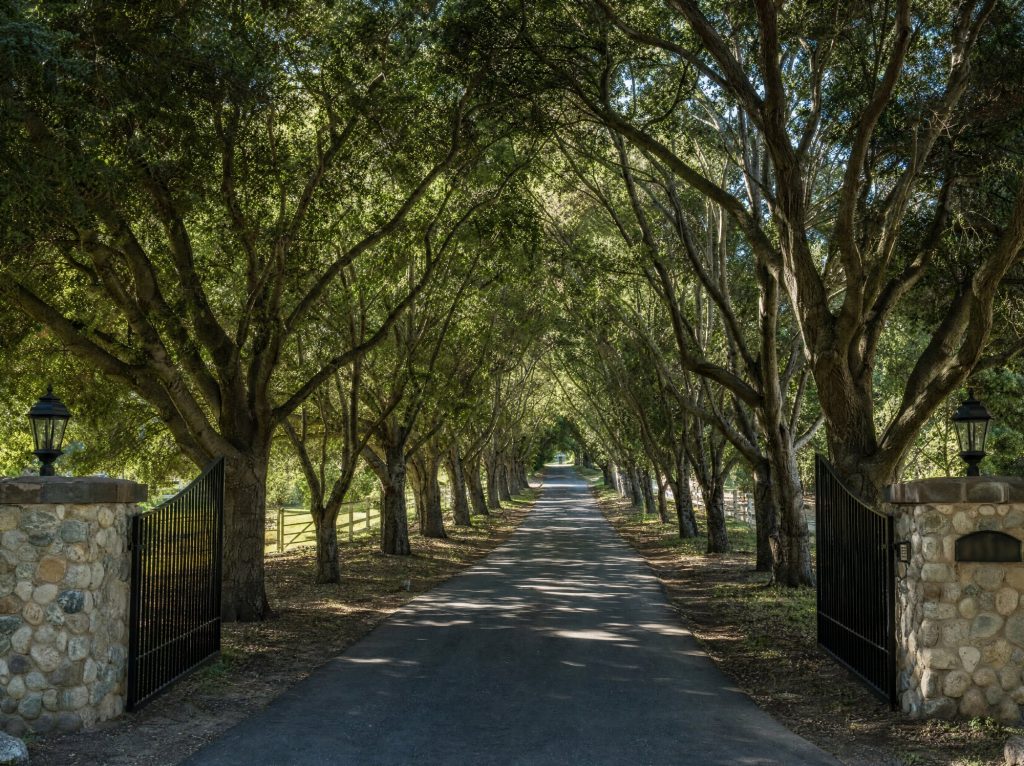
Most luxury buyers want a great house. High-profile buyers want a great house that nobody knows they bought. That second part changes almost everything about how the deal gets done.
Our team works within eXp Luxury’s Sports & Entertainment Division, and we’ve built our process around clients whose privacy matters as much as the property itself: athletes, entertainers, executives, and the business managers and attorneys who look after them. This guide is how we actually do it. It covers why these buyers end up in Calabasas and Hidden Hills, how the gated communities really rank for privacy, how anonymous ownership works in California, how off-market deals happen, and the one mistake that undoes all of it.
What Makes a High-Profile Home Purchase Different?
In a normal luxury purchase, the questions are about the house: price, condition, location, schools. In a high-profile purchase, a second set of questions runs underneath every step. Who sees the buyer’s name? Who knows the address? Who has photos of the inside? Who could talk?
The house still matters. But the process matters just as much, because one slip can undo everything else. A name on the wrong document, a vendor who shares a photo, or a listing that says too much can connect a person to an address, and once that connection is out, you can’t pull it back.
So everything in this guide comes back to one idea. Privacy isn’t something you add at the end of a transaction. It has to be designed into the deal from the very first conversation, and every person who touches the deal has to understand the rules.
Why Do Athletes, Entertainers, and Executives Choose Calabasas and Hidden Hills Over Beverly Hills, Bel-Air, or Malibu?
It comes down to three things: privacy, land, and lifestyle. There’s a tax reason too, and at these price points it’s not a small one.
Privacy. In Hidden Hills, the entire city sits behind guard gates. Several of the gated communities in Calabasas offer the same guard-gated security. Some of them come with land and acreage. Others offer the guard gate and the quiet residential feel in a more groomed, planned-community setting. Either way, the only cars on your street belong to people who live there or were invited.
Beverly Hills and Bel-Air certainly have their prestige. But many of their streets aren’t gated, and you’ll see tour buses driving past homes whose owners never asked to be on the route. Malibu is spectacular, but Pacific Coast Highway is a public road, the beaches draw crowds, and the fire and access issues there are real.
Land. In Hidden Hills and parts of Calabasas, you can still find one-acre lots. That means room for a sports court, horses, a guest house, and the kind of setup that lets a family live well without constantly leaving the property.
Lifestyle. You get strong public schools, a real neighborhood, and you’re still close to the studios in Burbank and Studio City and to training facilities around the region. You can be near work without living on a “map of the stars” street.
Taxes. Hidden Hills and Calabasas are their own cities, so they aren’t subject to Measure ULA, the City of Los Angeles’s additional transfer tax on high-value sales. That tax does apply in LA city neighborhoods like Bel-Air, Brentwood, and Pacific Palisades. It adds 4% of the entire sale price on sales above roughly $5 million, rising to 5.5% at the top tier, with the thresholds adjusted each year. The seller pays it, so it shows up the day you sell. On a $10 million home, that’s roughly $400,000. For a lot of families at this level, that’s a meaningful number, and it belongs in any honest look at what it really costs to own here versus there.
IMPROTA INSIGHT At the end of the day, it comes down to something as simple as this: their kids can ride bikes inside the gates, and nobody cares who they are.
If you’re still deciding between the two cities, our Hidden Hills vs. Calabasas comparison walks through the differences side by side.
How Do the Gated Communities Rank for Real Privacy?
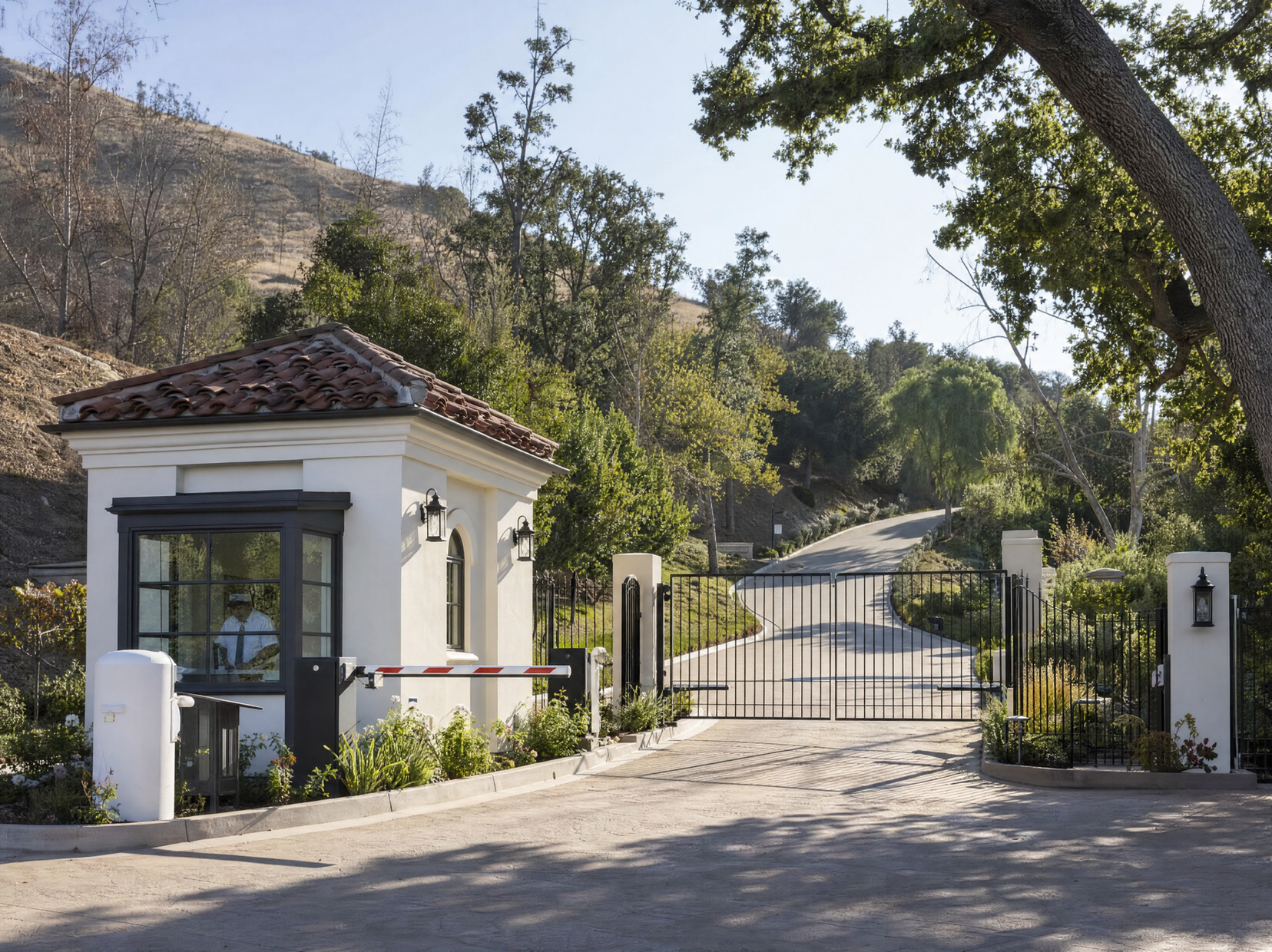

There are a lot of overlapping factors, but I think about privacy in three tiers.
Tier one: guard-gated communities with controlled visitor entry and patrols. Hidden Hills is probably the benchmark. The entire city is behind guard gates, there’s no public through traffic, and the lots are large enough that homes sit well back from the road. Several Calabasas gated communities belong in this tier as well, including The Oaks and Calabasas Park Estates. Neighboring Bell Canyon falls into this category too.
Tier two: key-card or remote-access gates without an in-person guard. These gates keep out casual traffic, and that has real value. But they won’t keep out a determined person, and it’s easy to tailgate another car through.
Tier three: private gated estates in non-gated neighborhoods. Here, security depends entirely on the property’s own setup: its gate, its walls, its cameras, and its staff. Some of these estates are extremely well protected. Others just have a gate at the end of the driveway.
Whatever tier you’re looking at, ask these questions before you fall in love with a house:
- Does the community have more than one gate, and how is each one controlled?
- Is visitor entry logged and called in to the homeowner before anyone is let through?
- Do patrols actually circulate through the community, or do they stay at the entrance?
- How visible is the house from the street?
- How visible are the house and backyard from neighboring lots, hillsides, and trails?
That last question matters more than most people expect. The Santa Monica Mountains are beautiful, and a lot of homes here back up to open hillsides, ridgelines, and hiking trails. Those views go both ways. A house can sit behind two gates and a guard and still have a backyard that anyone with a phone can see from a public trail. When we tour a property with a privacy-minded buyer, we walk the edges of the lot and look back at the house from every angle we can reach.
“A guard gate doesn’t mean a whole lot if your backyard is visible from a hillside trail.”
For a closer look at each community, including which ones are guard-gated, see our guide to the neighborhoods of Calabasas and Hidden Hills.
Can You Buy a Home Anonymously in California?

Not completely. But you can make it very hard to connect a name to an address.
The most common tools are trusts and LLCs, and sometimes both together. The reason they matter is simple. In California, the deed is a public record. Anyone can look up who owns a property.
IMPROTA INSIGHT The deed is public. You can’t change that. The goal is for the name on that deed to lead nowhere useful.
That’s where the details come in:
- Trustee names get recorded. A trust can keep the buyer’s name off the deed, but the trustee’s name is on it, so who serves as trustee matters.
- LLCs file a Statement of Information with the California Secretary of State, and that filing can list a manager. The name of the entity is only half the question. Who shows up on its filings is the other half.
- Lenders and title companies still need the buyer’s real identity. Anonymity is about the public record, not about the professionals handling the deal. Expect full identity checks either way.
- Federal reporting can apply. Federal anti-money-laundering rules have targeted all-cash purchases by entities and trusts, and the most recent reporting rule has been tied up in federal court. Plan as though the people behind the entity may be reported to federal regulators. Those reports are confidential, not public, but buyers should know it can happen.
If an attorney is going to be involved, and at this level one should be, we want them involved before we write the offer. The entity should be formed early, and the vesting, meaning the exact way title will be held, should be decided up front. Changing it midway through escrow creates problems with the lender, with the title company, and with timing.
So before you make an offer:
- Set up the entity early.
- Expect full identity checks from the lender and the title company regardless.
- Understand that anonymity reduces exposure. It can’t guarantee it.
This isn’t legal or tax advice. The right structure depends on your situation, so work it out with your own attorney and CPA before you start touring homes.
How Much of This Market Trades Off-Market?
A reasonable amount of the top of this market trades quietly. The exact share varies from year to year, and no one can measure it precisely, because the whole point is that these deals leave little trace.
In this area, most of it happens through relationships. The agents who work this price point know each other. Business managers and attorneys refer deals to one another. A big part of our job is knowing who might sell before they ever list their house.
For a buyer, the practical takeaway is simple. Some of the most private homes in Calabasas and Hidden Hills will never show up on a public search site. If you’re only looking at what’s online, you’re only seeing part of the market. The access comes from the relationships, and that’s where an agent who works this price point every day earns their keep.
The rules have changed in the last few years, too. NAR’s Clear Cooperation Policy requires a listing to go into the MLS within one business day of public marketing. Since 2025, NAR policy has also given sellers two private options, each with a signed seller disclosure:
- Office exclusive. The listing is filed with the MLS but isn’t shared with other agents through it, and it isn’t publicly marketed.
- Delayed marketing. The listing is visible to other agents in the MLS, but it stays off public real estate websites for a period set by the local MLS.
Private sales are still possible, and they’re legitimate. But it’s important that the seller signs off in writing and understands the trade-off. Fewer eyes on a listing can mean a lower price. If you’re weighing that decision, our guides to selling in Hidden Hills and selling in Calabasas cover how to price and position a home in each market.
How Do Private Showings and Escrow Work?
There’s nothing exotic about our process. It’s discipline, applied at every step. Here’s the basic outline:
- NDAs come first. It’s common for an NDA to be signed before an address is released or a single photo is shared.
- Showings are by appointment only. Buyers are verified in advance through their agent or business manager.
- No open houses and no lockbox free-for-alls. Access is controlled and accompanied.
- No phones or photos during tours, unless the seller explicitly agrees.
- The entity goes on the paperwork from the start. The buyer’s trust or LLC name is on the offer and the escrow documents from day one.
- Vendors get the entity and a point of contact, nothing more. Inspectors, contractors, and movers never need to know whose house it is.
- Everyone gets briefed. We brief our own team and the escrow officer on confidentiality before the deal moves forward.
None of this is complicated on its own. The value is in doing all of it, every time, with no exceptions for convenience.
The vendor point deserves a little more attention, because it’s where a lot of well-run deals quietly leak. An inspector writes a report. A contractor puts together a bid. A moving company builds an inventory. Every one of those documents lives in someone else’s system, gets emailed around their office, and sits in their files for years. If the only name on any of it is an entity and a point of contact, there’s nothing to leak. If the buyer’s real name is on it, you’ve added another place where that name and that address sit side by side.
What Features Do Privacy-Minded Buyers Look For in a Home?
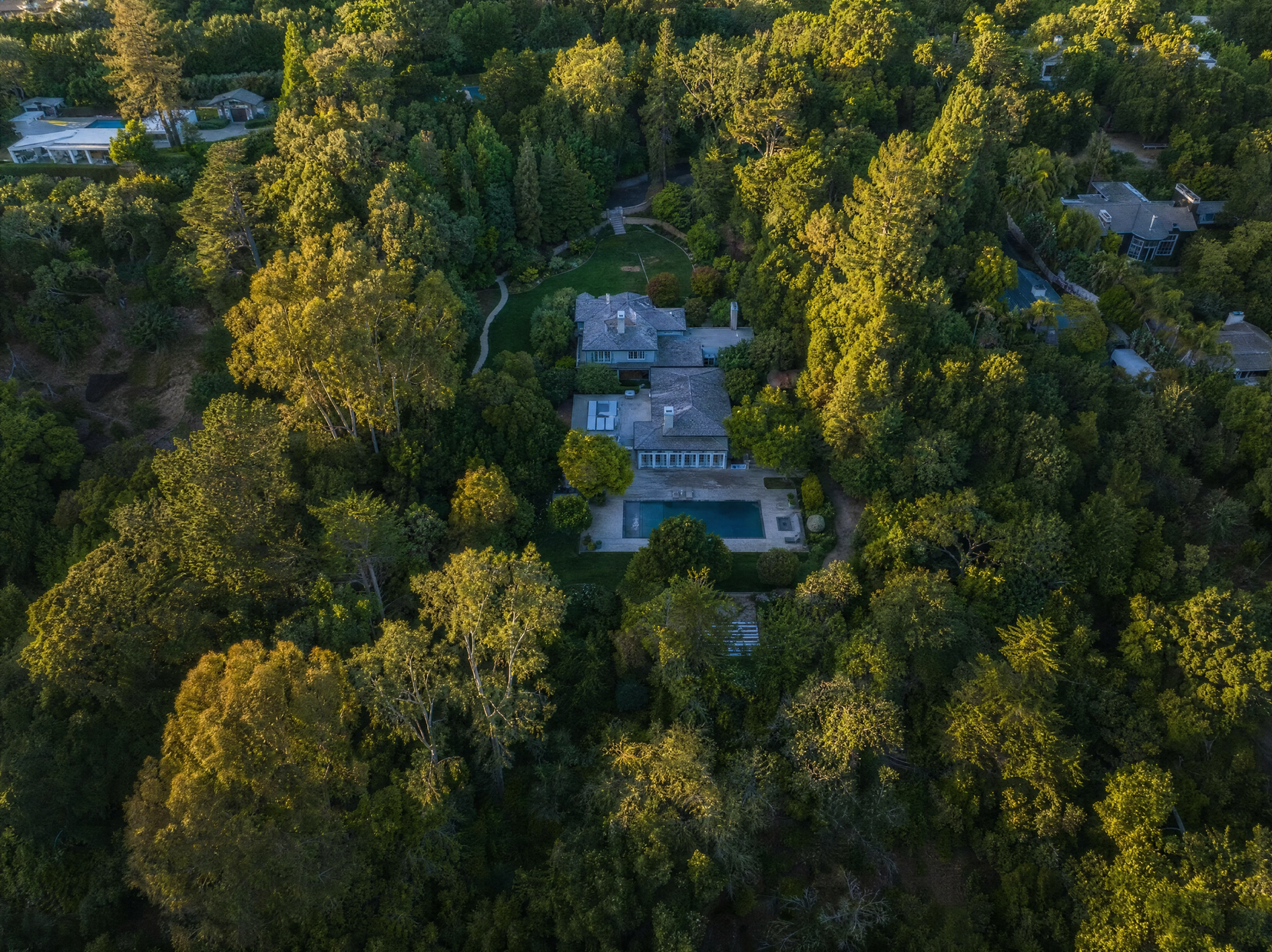
When we’re searching for a high-profile buyer, the wish list looks different from a typical luxury search. Here’s what these buyers actually value:
- Deep setbacks. Even better, a house you can’t see from the road at all.
- Controlled sightlines on every side. Nobody on a neighboring lot should be able to see into the backyard or the back of the house.
- A long driveway with a secondary gate. A second layer between the street and the front door.
- A service entrance. Staff and deliveries come and go separately from the family.
- Staff or security quarters, or a guest house.
- A secure garage. At the highest level, you want to get in and out of the car without being seen.
- A well-designed camera and access-control system.
- A safe room. Some buyers want one; it’s not universal.
- Room for a gym, a court, or a studio. The more they can do at home, the less often they need to go out.
One thing that’s overrated: the smart home. If a system is a few years old and proprietary, the buyer’s security team will probably rip it out and install their own anyway. It’s rarely worth paying a premium for.
If you’re just starting a search, our guides to buying in Hidden Hills and buying in Calabasas cover the fundamentals of each market.
How Does a High-Profile Owner Sell Without It Becoming a News Story?

When a well-known homeowner wants to sell privately, the first step is deciding up front what’s public and what isn’t. Once you’ve made those decisions, everyone involved works from them.
This matters because a listing creates a lot of material very quickly: photos, floor plans, marketing copy, showing schedules. Once a photo of the family room is out, it can be copied, shared, and matched to the owner in minutes. So the decisions come before the photographer ever walks in the door.
In practice, that usually means:
- No photos of personal items. No family photos, trophies, awards, or staging that would reveal who lives there.
- No address in the marketing until a buyer is fully qualified.
- Frequently, no MLS listing at all, with the seller’s written sign-off on that choice.
- No “celebrity home” language, anywhere, ever.
- Showings only to qualified buyers who have signed NDAs.
It’s difficult to guarantee confidentiality completely, and it’s worth being honest about where leaks come from.
IMPROTA INSIGHT Most news stories start with someone on the inside. The confidentiality briefing has to cover everyone involved: the photographer, the stagers, escrow, and every person on our own team.
Can Confidentiality Ever Be Fully Guaranteed?
Honestly, no. We’ve been part of a transaction where both the buyer and the seller were high-profile and both wanted the sale kept quiet. Everyone signed NDAs. We were careful with every aspect of the process, and confidentiality held throughout escrow, all the way to closing. At some point, the story still made it into the entertainment press.
We share that not to scare anyone, but because it’s the truth about this segment. Good process dramatically reduces exposure. It doesn’t make exposure impossible. The buyers and sellers who handle this best go in with clear eyes: they do everything right, they keep the circle small, and they understand that the goal is to make a story hard to find, late to surface, and light on detail.
What Is the Biggest Mistake High-Profile Buyers Make?
Waiting to bring in the attorney and trying to settle the ownership structure midstream.
We see a version of it more often than you’d think. A manager falls in love with a house and puts the offer in the client’s own name just to get things moving quickly, planning to fix it in escrow. But by then, the name has already passed through the lender, the title company, and a dozen inboxes. You can change the vesting later. You can’t un-send those emails.
The right order is the opposite of what feels fast. Bring in the attorney first. Form the entity and decide exactly how title will be held. Then find the house and write the offer, with the entity’s name on it from the first page. When a great property comes up, a buyer who’s already set up can move just as quickly as anyone else, and they don’t have to trade their privacy for speed.
IMPROTA INSIGHT Privacy has to be built from the start. It’s a very hard thing to undo.
If you, or a client you represent, are thinking about a private purchase or sale in Calabasas, Hidden Hills, or Bell Canyon, the best time to talk to us is before the search starts, not after the offer is written.
Frequently Asked Questions
Can I buy a house in California without my name on the public record?
You can keep your personal name off the deed by buying through a trust or an LLC, but the deed itself is always public, and trustee names and LLC filings can still point back to people. Lenders and title companies will also verify your identity. A well-planned structure makes you much harder to find; it doesn’t make you invisible.
Is all of Hidden Hills behind a gate?
Yes. The entire city of Hidden Hills sits behind guard gates, with no public through traffic. That’s a big part of why it’s considered the privacy benchmark in the area.
Does the Los Angeles “mansion tax” apply in Calabasas or Hidden Hills?
No. Measure ULA applies only to property within the City of Los Angeles, including neighborhoods like Bel-Air, Brentwood, and Pacific Palisades. Calabasas and Hidden Hills are separate cities, so ULA doesn’t apply to sales there.
What is an office exclusive or delayed marketing listing?
They’re the two private options sellers have under NAR policy. An office exclusive is filed with the MLS but isn’t shared with other agents or publicly marketed. A delayed marketing listing is visible to agents in the MLS but kept off public websites for a period the local MLS sets. Both require a signed seller disclosure.
When should I bring in an attorney for a private purchase?
Before you write the offer. The attorney should help you form the entity and decide how title will be held up front, because changing the structure midway through escrow creates problems with the lender, the title company, and your timeline.