


What Should You Know Before Selling in Calabasas?
Selling a home in Calabasas looks straightforward from the outside. The comps exist, the buyers are plentiful, and the market is visible. So why do so many Calabasas sellers leave real money on the table?
Because a data-rich market creates its own traps. In Hidden Hills, sellers get in trouble from an absence of evidence — thin comps, every property its own thing. In Calabasas, sellers get in trouble from misreading abundant evidence: pricing off the wrong communities, missing the school-calendar window that drives a huge share of the buyer pool, spending prep money in the wrong bucket, and treating ‘Calabasas’ as one market when it’s really many more.
This guide is the seller-side companion to our Calabasas Buyer’s Guide, written the same way — as the honest conversation we have with our own clients. It covers the mis-comping mistake, how we actually price when comps exist, how to play the school calendar, how selling differs from the Oaks to the Bellagio, what to spend before listing and what to skip, how to get ahead of the insurance question, what ‘fast’ really means in each price tier, and how to evaluate offers by their net, not their headline.
If you own a home in Calabasas — selling this spring or just thinking ahead — this is the playbook.
What Is the Biggest Mistake Calabasas Sellers Make?
In Hidden Hills, the classic seller mistake is pricing off aspiration because there isn’t enough clear data. Calabasas has the opposite problem: there’s usually plenty of data — and that’s exactly what gets sellers in trouble.
The most common mistake we see here isn’t always overpricing. It’s mis-comping: a number that looks objectively correct on paper but is built on the wrong information.
The classic version is using comps across community lines. When a Calabasas Park Estates or Vista Pointe seller pulls Oaks comps because they’re all Calabasas, all guard-gated, and maybe similar in square footage, they’ll likely be off the mark. The Oaks draws a different buyer pool entirely — the homes are generally more valuable and newer builds. And this happens across every community: Mulwood, Calabasas Hills, the Colony, Ruthwood, and the rest. Calabasas has many communities, and each has its own price logic.
A wrong comp set doesn’t just produce a wrong number. It produces a confident wrong number — which is more dangerous, because the seller has ‘evidence’ for a price the actual buyer pool will never pay.
How Do You Price a Calabasas Home?
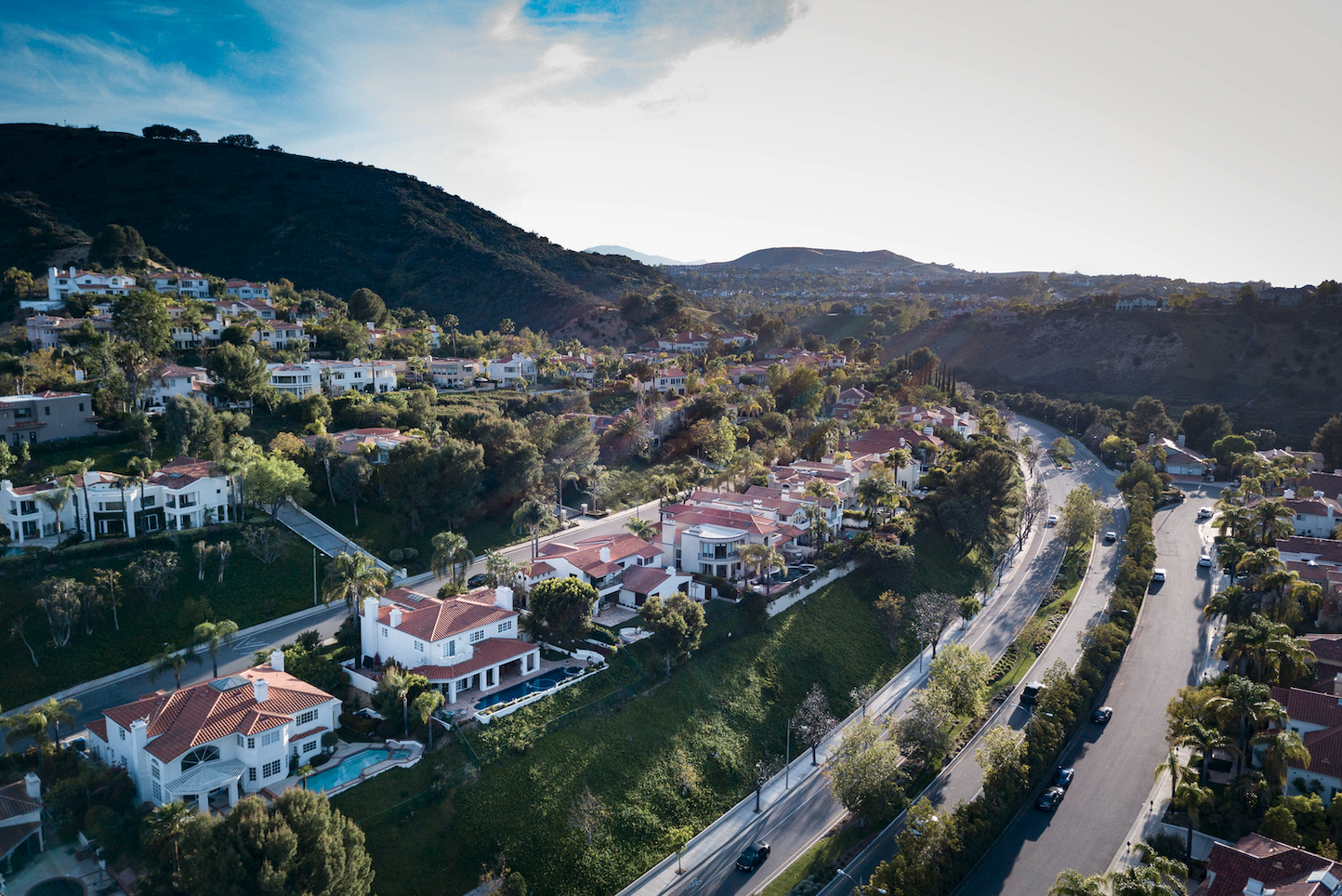
Before we ever discuss a number, we narrow the pool. A true peer comp in Calabasas means the same community or a genuine equivalent: same gate status, same fire-zone and insurance reality, same lot type. That usually gets us down to three to six real comps — and we show sellers not just the comps, but what got excluded and why.
Then we triangulate rather than average, using four legs:
Closed sales from the last six months tell us what buyers did pay. Pending sales tell us what buyers are paying right now — and how quickly homes are going under contract, which matters enormously in a shifting market. Active listings are the competition: if a buyer is choosing between three similar houses, they’ll pit ours against those two, not against something that closed three months ago. And the quiet fourth leg — expireds, cancelleds, and withdrawns — tells us what prices the market already rejected for this type of house.
Calabasas helps us here in a way Hidden Hills never can: the communities are full of model matches. Floor plans repeat, so we can often price against the exact same model — sometimes updated, sometimes original, sometimes both — and adjust for condition with real numbers instead of vibes.
We land on a range, not a single price, and we give the seller the honest consequence of each edge. The top of the range typically means fewer showings and a likely price reduction in two to four weeks. The bottom typically means a faster sale, often with competitive results. The seller chooses — it’s their property.
And when the data is clear but the seller doesn’t like it, we don’t argue. It’s not us saying what the house is worth; it’s the last five buyers in the community who said it — and the three current sellers whose homes aren’t selling who are saying what it isn’t worth. One thing we’ve learned: show sellers the expireds early and ask what they think happened. Most will diagnose the other sellers’ overpricing with perfect clarity. That lets them get there on their own, for their own house.
Usually, the number itself isn’t the real objection anyway. It’s that the neighbor got more in 2022, or that they put $300,000 or $400,000 into the property, or that they need a certain number to make the move work. So we gently walk through the truths: 2022 was a different market, and it’s not the one we’re selling in. Improvements recover a percentage of their cost, not the full dollar. And if the move requires a certain number, the question becomes whether the strategy is timing — or price.
If a seller still wants to start high, we’ll sometimes agree — with a pre-agreed timeline for adjusting. We establish a threshold that triggers a reduction at around 14 to 21 days, and the amount, before we list. That protects everyone from the far worse conversation four months in, when the listing has already gone stale. And we’re honest that we don’t like taking wildly overpriced listings without that agreement — it’s a disservice to the seller and to us.
“Being priced right is how a seller gets overpaid. Overpricing doesn’t preserve the upside — it forfeits it.”
Buyers weigh carrying costs carefully; our Calabasas cost-of-ownership guide shows what they are budgeting for.
When Is the Best Time to Sell a Home in Calabasas?
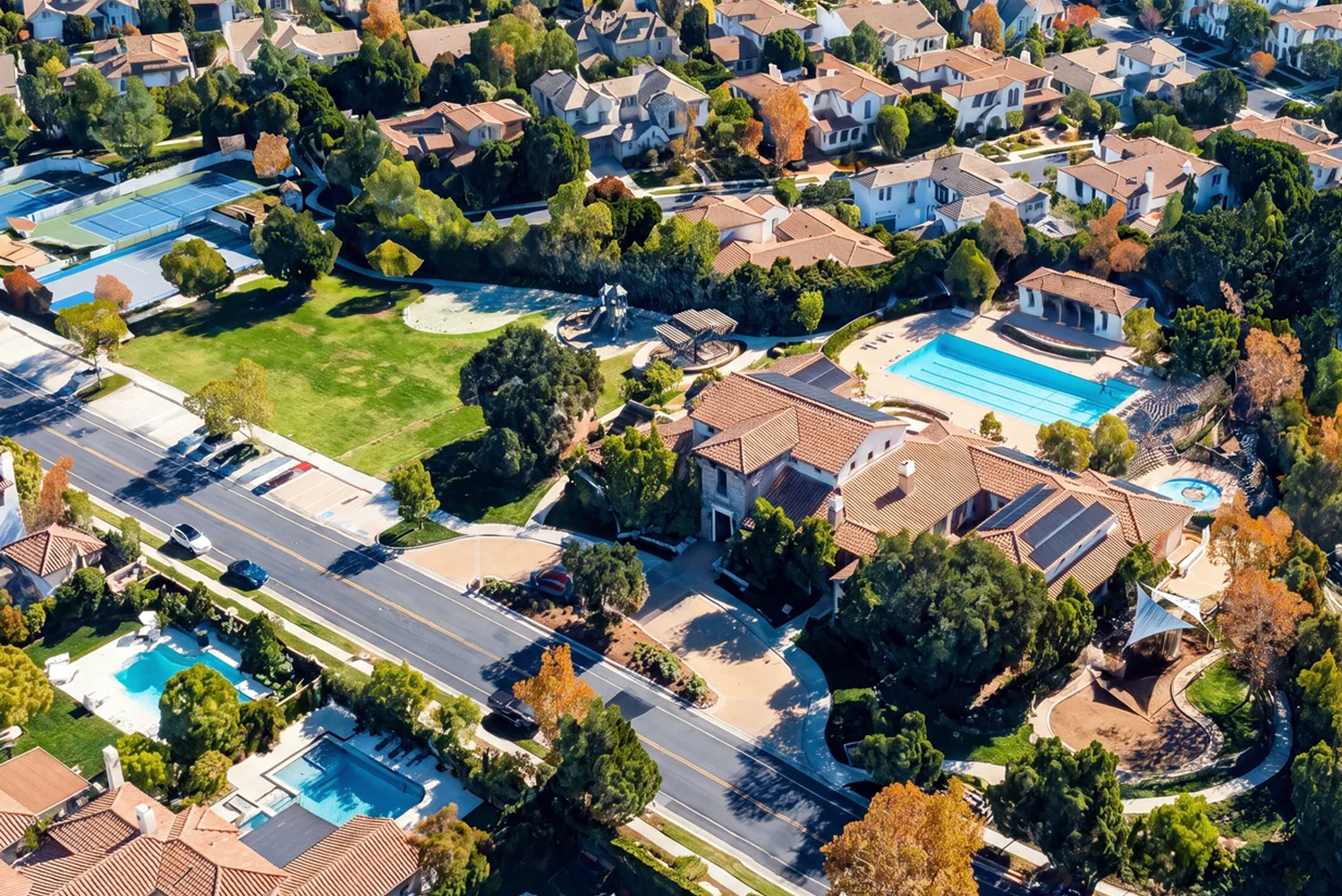
A huge percentage of Calabasas buyers aren’t just buying a house — they’re buying a Bay Laurel or Round Meadow address. Which means the family’s deadline is the first day of school, and everything works backward from there.
The math: they want keys by early-to-mid July — mid-August at the absolute latest — to move in, settle, and register. That means in contract by late May or early June. Which means touring from March through May. And for families who want a full summer runway, the serious buyer pool starts forming as early as February and largely wraps by late April or early May.
So when should you list? Earlier than most sellers think. The winners usually aren’t listing in April — they’re listing in February or March, arriving as the fresh, well-prepared property while serious buyers are already out looking and inventory is still thin. By mid-April, you’re competing with every neighbor that had the same idea. There’s also a sleeper window almost nobody uses: early January. Families often make the decision over the holidays, and January has far less competing inventory.
The worst timing? Mid-June. Inventory is still high, the school-driven buyers are already under contract, and what remains is — quite frankly — the leftovers.
The biggest catch is the prep timeline, which sellers consistently underestimate. A March listing can mean starting prep in November: deciding which projects are worth doing for your particular house, and lining up your contractor before they’re fully booked in February. This is rarely a full renovation — think kitchen surfaces, maybe primary bathrooms, paint, landscape refreshing.
When we market these homes, we lean into the schools and the daily life around them: commute times to specific schools, walking distance, community pools. That’s what this buyer is actually shopping for.
And if you realize in May that you’ve missed the window? Do not rush a half-prepared house into a crowded June. If it’s genuinely ready, a fast launch can work. If not, skip to a September launch and use the summer to prep properly. A late-June listing that wasn’t prepared will sit through August anyway — and then you’re stale, cutting price, and competing with fresh fall inventory.
How Does Selling Differ Between Calabasas Communities?
Sellers often assume Calabasas is the market and run one playbook. In reality, it’s at least three separate segments — different buyer pools, different marketing, different pricing logic, and different things that go wrong in escrow.
The Oaks: the luxury brand sale
Oaks buyers are more identity-driven — a large share of relocation, entertainment, and sports money, often committed to the Oaks brand before they’ve seen the house. They may be cross-shopping Hidden Hills, but rarely the other gates. Marketing here carries our highest production intention. The escrow risks scale with the homes: insurance quotes on large footprints, and repair or renovation findings that are bigger and more complex than in smaller communities.
Calabasas Park Estates: the comp-driven family sale
The Park Estates buyer is often local or near-local — the Valley, the Westside, Woodland Hills, Studio City — frequently a family upgrading for security and schools who already knows the community and is shopping for the right house in it. Marketing is about precision: clean photography, floor-plan clarity, exactly what was updated and when, and school logistics front and center. Open houses tend to work better here than in the Oaks. The community sits close to Bay Laurel, with tennis courts and community pools. Escrow risk is usually straightforward: repair findings and renovation level.
The Bellagio: the payment driven or downsizing sale
The Bellagio draws two very different buyers: first-time Calabasas families buying their way into the school district at an entry price, and downsizers — often selling a larger Calabasas or Hidden Hills home but staying local. The entry buyer is payment-driven and rate-sensitive; the downsizer is cash-heavy and condition-driven. Same community, two completely different sales.
Price logic, marketing, showing style, and escrow risk vary across all three. The playbook has to match the segment — not the city.
What Should You Spend on Before Listing a Calabasas Home?

In Hidden Hills, we tell sellers to spend money removing doubt — the buyer is often planning their own renovation, so your dollars go toward proving nothing is hidden. In Calabasas, the logic shifts, because a large share of the buyer pool wants to move in before school starts and has zero appetite for projects. That creates a real, measurable premium for turnkey — and because the same floor plans have sold both ways, we can often measure exactly what the move is worth.
Here’s the frame: Calabasas buyers sort homes into three buckets — turnkey; move-in ready but dated; and full project. The spread between the top two buckets is big. The spread between the bottom two is much smaller. So the test for every prep dollar isn’t ‘does this remove doubt?’ It’s ‘does this move my house from one bucket into the one above it?’ Spend to cross into the top bucket. Don’t spend money that leaves you in the middle.
What crosses buckets when the layout works: kitchen surfaces — hardware, counters, backsplash, paint or refaced cabinets, updated lighting — can be the entire difference between ‘updated kitchen’ and ‘dated kitchen.’ Same logic for the primary bathroom. The single highest-return item we see is paint, inside and out. Flooring matters if it’s inconsistent — continuous hardwood through the main level is one of the strongest turnkey signals — and carpet rarely helps. Landscaping and curb appeal: not a redesign, just mulch, fresh planting, some lighting, power-washed driveways. Then staging, and selective pre-inspections with the cheap fixes done.
What’s wasted: the full kitchen or bathroom gut. Now you’re spending real money expressing your taste — and even a buyer who wants turnkey may still want to personalize. Beyond a point, renovation dollars recover a shrinking percentage, and in this market that’s especially true.
One more thing your buyer’s team will check even if you don’t: the same hillside items we tell buyers to investigate — slopes, retaining walls, permit history. Whatever they would find in week two of escrow, find it first, and either resolve it or disclose it on your terms.
IMPROTA INSIGHT
“Calabasas buyers sort every home into three buckets: turnkey, move-in but dated, and project. The money is in crossing into the top bucket. Spending that leaves you in the middle is the most expensive place to land.”
— Jason Improta
Why Should You Check Insurance Before Listing in Calabasas?
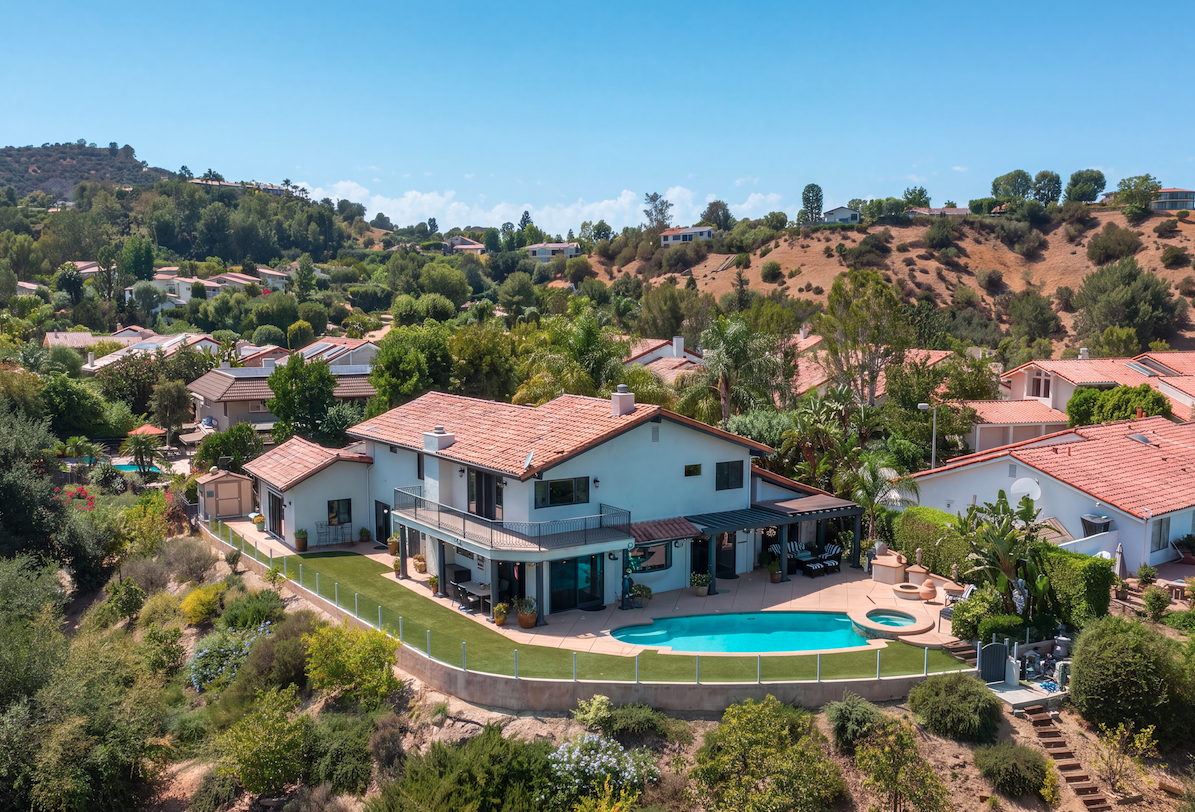
On the sell side, we always recommend checking insurability before listing — not as a disclosure exercise, but as a pricing input. Increasingly, the insurance quote functions as the third leg of the deal, alongside price and inspections. A buyer who can’t find coverage they can afford either can’t close or comes back to renegotiate in week two or three.
In an ideal world, we start a couple of months out. Pull your own carrier’s renewal status and declarations page. If the property qualifies for an admitted carrier, that’s the main win right there. If it’s FAIR Plan plus a wrap, knowing the combined number in advance matters just as much — it becomes a line item in the buyer’s budget on day one instead of a surprise in escrow. We work with insurance brokers who know this area and offer exactly this kind of pre-listing help, and we confirm the property’s fire hazard severity designation up front.
Here’s the encouraging part: the hardening work that actually helps with underwriting is mostly cheap. Combustibles go — firewood against the house, dead leaves, bark mulch, dead vegetation. Roofs and gutters stay clear. That’s generally a few thousand dollars, and it tells both the buyer and the buyer’s carrier that this home was cared for. The big-ticket items — a Class A roof, dual-pane windows, enclosed eaves — are only worth it if a pre-review shows the house can’t reach the admitted market without them.
The finished product is an insurance packet we hand to a serious buyer’s agent right alongside the disclosure package and pre-inspections. The listing remarks can even say it: insurability pre-reviewed, hardened to 2026 standards. In this fire zone, that sentence sells.
IMPROTA INSIGHT
“The insurance quote has become the third leg of the deal, alongside price and inspections. Handing a buyer the answer on day one turns the biggest unknown in a Calabasas escrow into a line item.”
— Jason Improta
How Fast Do Calabasas Homes Sell?
Fast in Calabasas is a function of tier, not a single number. Break the market into three bands and the answer changes in each.
Under roughly $2.5 million — Mulwood, Calabasas Hills, the Bellagio — the buyer pool is deep and payment-driven. Fast here means an accepted offer inside 14 days; a well-priced turnkey house should see offers before the second weekend. Past 21 days with no offer, the price is probably wrong.
Roughly $2.5 to $5 million — Park Estates, Mountain View, Vista Pointe, the lower Oaks — the school calendar factors in, and fast means 14 to 30 days. The first two weekends teach you a lot. A house that shows well and gets traffic but has no offers by day 21 is usually priced at the top of its band or above it, and needs an adjustment.
Five million and up — the Oaks estates and anything approaching Hidden Hills pricing — the pool is smaller and less rushed. Thirty to sixty days is healthy, when 60 to 90 is closer to the average. The warning sign in this band isn’t days on market at all — it’s whether you’re getting private showings.
Which points to the real definition: stale is a buyer-behavior event, not a calendar date. It’s the moment buyers stop asking ‘should we see it?’ and start asking ‘what’s wrong with it?’ As a rule of thumb, that arrives somewhere around double the normal days on market for that type of property — accelerated by a big visible price cut with no stated reason, or a significant expired-and-relisted history.
Two disciplines prevent it. First, set your price-reduction threshold before you list, sized to your tier — and make any reduction big enough to drop the house into a new search bracket. A tiny cut buys nothing and signals a weak listing. Second, internalize the math we’ve said before: the first two weeks are worth more than the following ten. A listing that launches at the wrong price spends its best exposure teaching buyers to wait for the reduction.
IMPROTA INSIGHT
“Stale isn’t a calendar date. It’s the moment buyers stop asking ‘should we see it?’ and start asking ‘what’s wrong with it?’”
— Jason Improta
How Should You Evaluate Offers on a Calabasas Home?
In Hidden Hills, offer evaluation is mostly about whether the buyer will close — identity, proof of funds, who’s making decisions. In Calabasas, especially outside the top tier, it’s often about whether the buyer can close — and that answer belongs to their lender and an appraisal that hasn’t happened yet.
Start with the number itself: focus on the net, not the gross. Two offers $50,000 apart are often not what they seem once you account for requested credits, seller-paid costs, rate buydowns, and the realistic likelihood of repair-credit requests later. The headline price doesn’t tell the story; the bottom line does.
Verified cash is typically clean — evaluate the buyer and their motivation. For financed buyers, we grade the financing. Best: a fully underwritten approval. Middle: a standard pre-approval with a lender we can actually call, who has verified income, assets, and credit. Bottom: an online-lender pre-approval, a thin down payment, or a contingency on selling another house — each a potential landmine, and appraisal risk at premium prices belongs in the same conversation.
Then tighten the timeline. The standard contract gives 17 days for inspection, loan, and appraisal contingencies; we push to shorten wherever possible — inspections to around 10 days, loan and appraisal to 10 to 14. Shorter is better for the seller, and we want the earnest money deposit at no less than 3%.
Interestingly, choosing the highest price is sometimes the biggest mistake. The offer that wins is the one with the best net and the fewest red flags — the one least likely to die. And remember your leverage: when the school deadline is in play, buyers are motivated and far less likely to walk over small inspection items. That deadline works for you now.
What Can Two Calabasas Sales Teach Sellers About Pricing?
Two recent gated-Calabasas sales tell the whole story of this guide.
The first home had already failed once — listed above $4 million with another agent, move-in ready but dated down to the furniture, and expired. When the owners brought us in, we recommended a full interior and exterior paint job, a short list of minor cosmetic fixes, full staging of the large home, and a new price just under $4 million. It sold within a couple of weeks — a seamless experience for everyone, and exactly what the sellers needed to hear and do.
The second home was similar on paper: gated Calabasas, an older renovation feeling tired in places. The sellers took part of our advice — partial staging, partial cosmetic work — but not the part that mattered most. We recommended a price; they went about 10% above it. Showing after showing, the buyer reaction was the same. An offer eventually arrived right at our recommended number. They rejected it. The home ultimately sold for roughly 10% below our original recommendation.
Same city, same gates, same market. The difference was never the houses. It was the decisions.
What Is Our Best Advice for Calabasas Sellers?
Comp against true peers, and triangulate — closed, pending, active, and expired — instead of averaging. Sell on the school calendar: list in February or March (or catch the January sleeper window), and never rush a half-prepared house into June. Run the playbook for your segment, not for ‘Calabasas.’ Spend to cross into the turnkey bucket, and stop spending where the middle begins. Answer the insurance question before your buyer asks it. Agree on your reduction threshold before you list. And judge every offer by its net and its likelihood of closing — not its headline.
Do those things and the market’s structure works for you: deep buyer pools, real comps, motivated families on a deadline, and competition that does your negotiating.
Over the last five years, our Calabasas listings sold for an average of 98.7% of list price, with a median of 13 days on market, according to MLS records. The full numbers are on our sales record.
If you’re thinking about selling — this spring, this fall, or you simply want to know which bucket your home is in and what it’s really worth — we’d welcome the conversation. We’ll show you the true comps, what got excluded and why, and the honest range with the consequences of each edge. Contact The Improta Team to start the conversation.
Calabasas Seller FAQs
When is the best time to list a home in Calabasas?
February or March — earlier than most sellers think. The school-driven buyer pool starts forming in February and largely wraps by late April or early May, so listing before the mid-April inventory wave means arriving fresh while serious buyers are already looking. Early January is an underused sleeper window; mid-June is the worst timing, when school buyers are already under contract.
How should a Calabasas home be priced?
Against true peer comps only — same community or a genuine equivalent, same gate status, same fire-zone reality, same lot type — then triangulated across four legs: closed sales, pending sales, active competition, and expired listings (the prices the market already rejected). Calabasas is full of model-match floor plans, so condition adjustments can use real numbers, and the result should be a range with honest consequences at each edge.
What should I spend on before listing a Calabasas home?
Spend to cross into the turnkey bucket: kitchen and primary-bath surfaces, paint inside and out (the single highest-return item), consistent flooring, landscaping refresh, staging, and pre-inspections with cheap fixes done. Skip the full kitchen or bathroom gut — beyond a point, renovation dollars recover a shrinking percentage, and buyers may want to personalize anyway.
How fast do Calabasas homes sell?
It depends on the tier. Under roughly $2.5M, a well-priced turnkey home should see offers inside 14 days. In the $2.5–5M band, 14 to 30 days is fast, and no offers by day 21 usually means the price is at the top of the band or above it. At $5M and up, 30 to 60 days is healthy against a 60–90 day average — and the warning sign there is a lack of private showings, not the calendar.
Should I check insurance before selling a home in Calabasas?
Yes — before listing, not during escrow. The insurance quote has become the third leg of the deal alongside price and inspections. Pull your carrier’s renewal status and declarations page, confirm the fire hazard designation, do the inexpensive hardening (clear combustibles, dead vegetation, roofs and gutters), and hand serious buyers an insurance packet with the disclosures so coverage is a day-one line item instead of a week-three renegotiation.